Dancing Priests and the Month of Mars

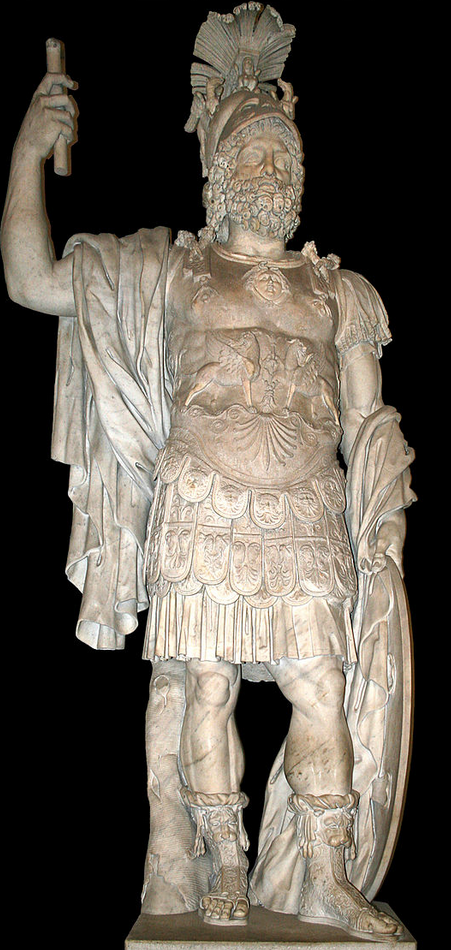
Mars - God of War

Mars – God of War

We’re finally into the month of March and Spring is in our sights.

If we were living in ancient Rome, this would have been a very exciting time. Mars’ month, or mensis Martius, was almost entirely taken up with various celebrations to honour the Roman god of War.

The festival of Mars included the Equirria, a horse-racing festival at Rome, and the Tubilustrium, the day when the sacred war trumpets were purified. The festival of Mars also coincided with the Matronalia, the festival of Juno, mother of Mars, to whom prayers were offered. During the latter, husbands gave gifts to their wives, and female slaves were feasted by their masters.

One of the fixtures of the Festival of Mars were the dancing, or leaping, priests of Mars known as the Salii.

Artist impression of Salii

Artist impression of Salii

Throughout the festival, the Salii would process through the streets of Rome wearing military dress and armour, and stop at certain places along the way to perform ritual dances and sing their ancient hymns known as the Carmen Saliare, sung at the beginning (March) and end (October) of the military campaign season. Here is a small fragment:

Sing of him, the father of the gods! Appeal to the God of gods!

When thou thunderest, O God of light, they tremble before thee!

All gods beneath thee have heard thee thunder!

but to have acquired all that is spread out

Now the good … of Ceres … or Janus

In the Roman state religion, there were no full-time, professional priests. Most were taken from the aristocracy, including the Salii who were supposed to be patricians with both parents still living.
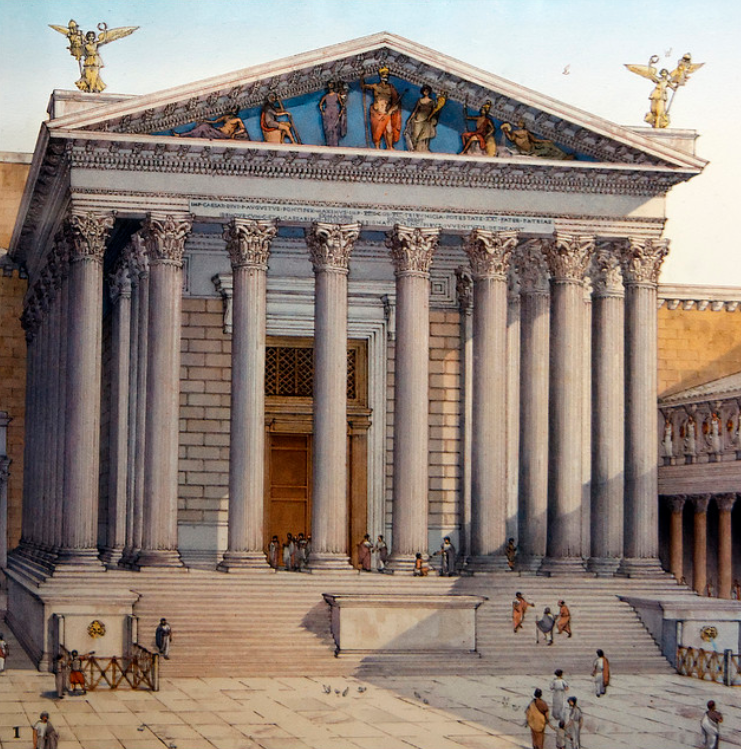
Artist impression of theTemple of Mars Ultor

Artist impression of theTemple of Mars Ultor

But where did the order of Salii come from?

Legend has it that Rome’s second king, Numa Pompilius (715 – 673 B.C.) created them in order to protect the sacred shields of Mars, called the ancilia, which the Salii carried in their processions, and which were stored in the Temple of Mars. Dionysius of Halicarnassus relates the legend:

Among the vast number of bucklers [the ancilia] which both the Salii themselves bear and some of their servants carry suspended from rods, they say there is one that fell from heaven and was found in the palace of Numa, though no one had brought it thither and no buckler of that shape had ever before been known among the Italians; and that for both these reasons the Romans concluded that this buckler had been sent by the gods. They add that Numa, desiring that it should be honoured by being carried through the city on holy days by the most distinguished young men and that annual sacrifices should be offered to it, but at the same time being fearful both of the plot of his enemies and of its disappearance by theft, caused many other bucklers to be made resembling the one which fell from heaven, Mamurius, an artificer, having undertaken the work; so that, as a result of the perfect resemblance of the man-made imitations, the shape of the buckler sent by the gods was rendered inconspicuous and difficult to be distinguished by those who might plot to possess themselves of it.

(Dionysius of Halicarnassus; Roman Antiquities)

King Numa instituted twelve Salii to guard the sacred shields and perform the rites for Mars, and his successor, King Tullus Hostilius, is said to have instituted another twelve Salii, bringing the number to twenty-four which became the norm for generations.
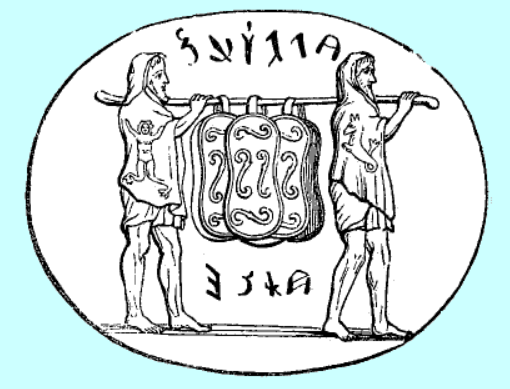
Salii carrying the sacred Ancilia

Salii carrying the sacred Ancilia

It must have been quite a sight to see these patrician priests dancing through Rome’s streets, carrying the sacred shields while singing, and dancing or leaping before the crowds.

We should remember that this was not some clown-like activity. Mars, war, and the rites to honour both were extremely sacred to the Roman people. When the Salii came into a square, or stood before a temple, I can imagine a hush falling over the people of Rome as they watched the dances and listened to the ancient hymns. Or perhaps the crowd chanted and stomped their feet along with the Salii, all of them honouring the god who had helped to make Rome the superpower it had become?

This dance they perform when they carry the sacred bucklers [the ancilia] through the streets of the city in the month of March, clad in purple tunics, girt with broad belts of bronze, wearing bronze helmets on their heads, and carrying small daggers with which they strike the shields. But the dance is chiefly a matter of step; for they move gracefully, and execute with vigour and agility certain shifting convolutions, in quick and oft-recurring rhythm. (Plutarch; Numa)
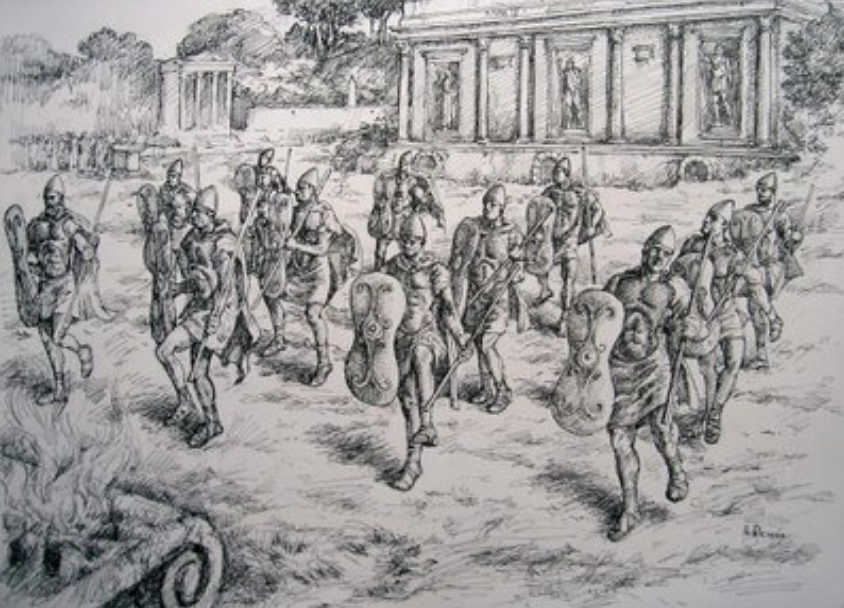
Artist impression of the Salii performing the ritual dance to honour Mars

Artist impression of the Salii performing the ritual dance to honour Mars

I love learning about ancient religions not only for what they tell us about ancient cultures, but also for the uniqueness of the rites themselves, the origins and mythologies of the beliefs, and the glimpse they give us of what life was like in the ancient world.

Armed and dancing priests during the month of Mars? Who doesn’t like that?

Thank you for reading.

Ruins of the Temple of Mars Ultor

Ruins of the Temple of Mars Ultor (Mars the ‘Avenger’)

Facebooktwitterpinterest

ZEUGMA – Art and the Riches of Asia

Photographs from Antep Museum

In my years of research, I’ve come across many ancient sites that have quite taken my breath away with their history and the splendour of their remains.

One of these sites is located in what is now the south-eastern part of modern Turkey. It’s called Zeugma, and it is one of those places that have left an indelible mark on my image of the ancient world.

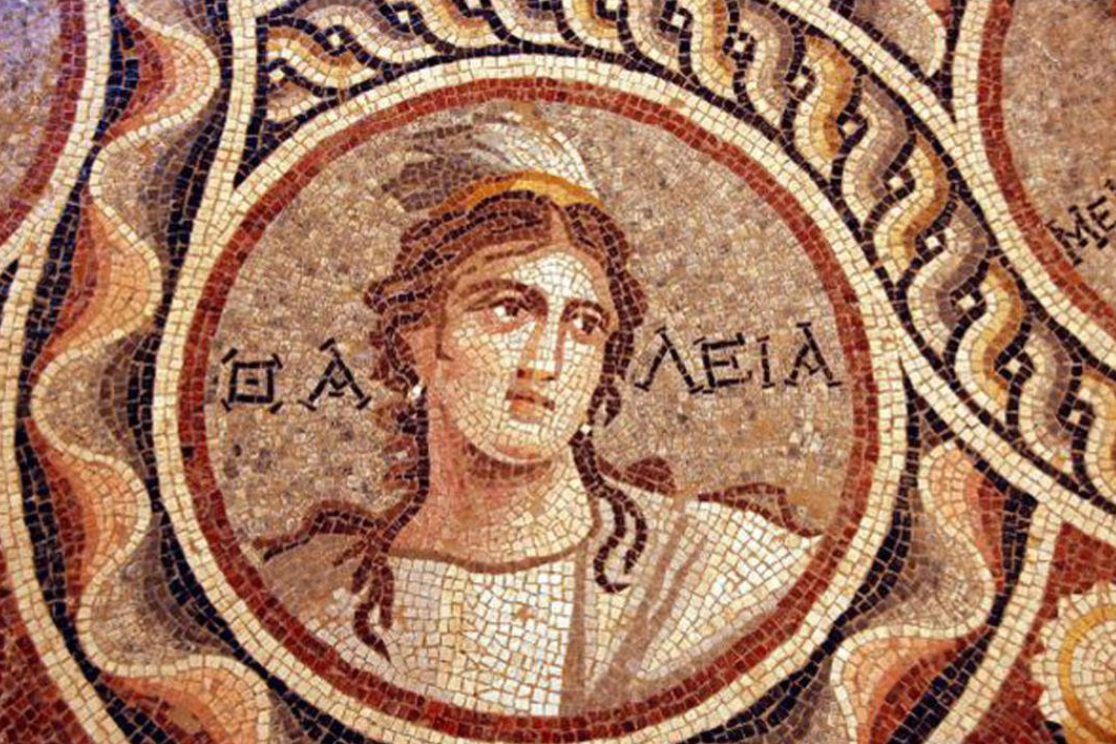
The Nine Muses

The Nine Muses

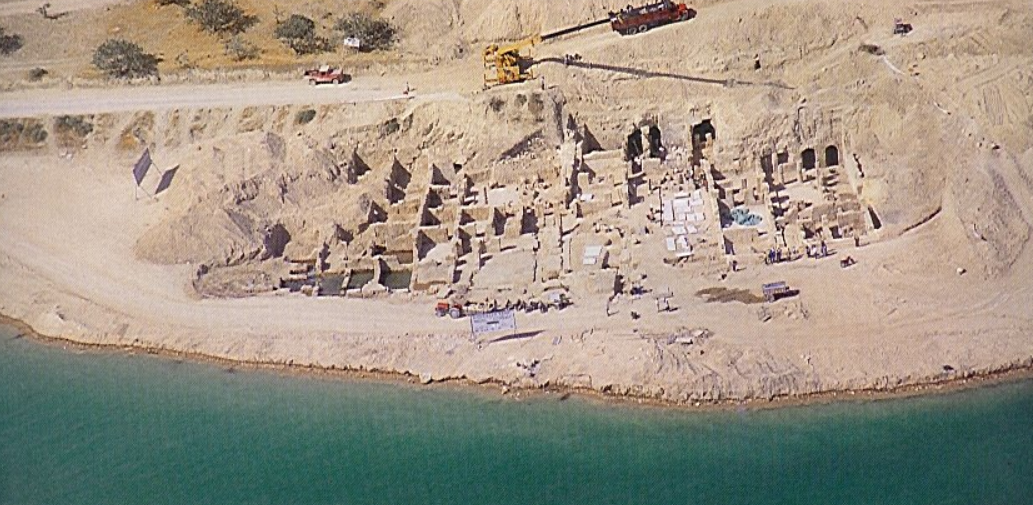
In 2000 I saw a documentary called ‘Treasures of Ancient Zeugma’ which talked about a race against time to save the remains of this ancient city from the rising waters of a hydro-electric dam that was being built at Birecik.

In all truth, I had not heard of Zeugma before this documentary, but after watching it I would certainly never forget it.

Rising waters around excavation site

Rising waters around excavation site

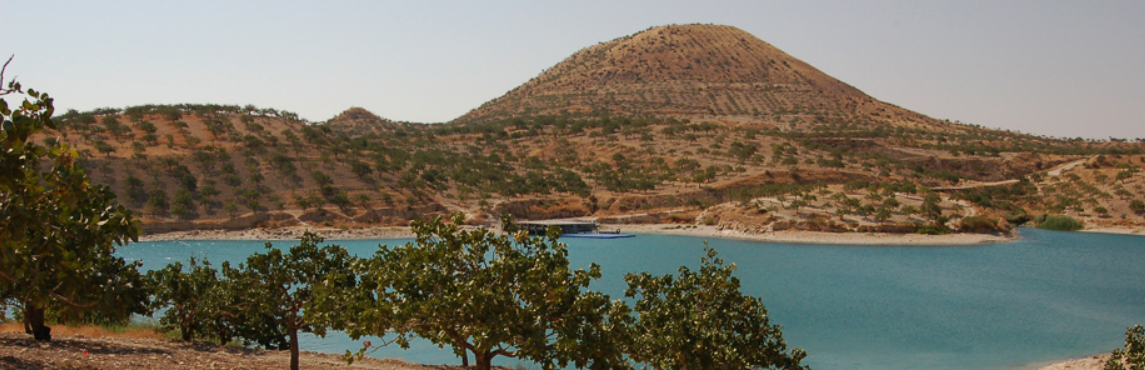
Zeugma is located on the banks of the Euphrates River where its remains were buried beneath pistachio groves for over 2000 years.

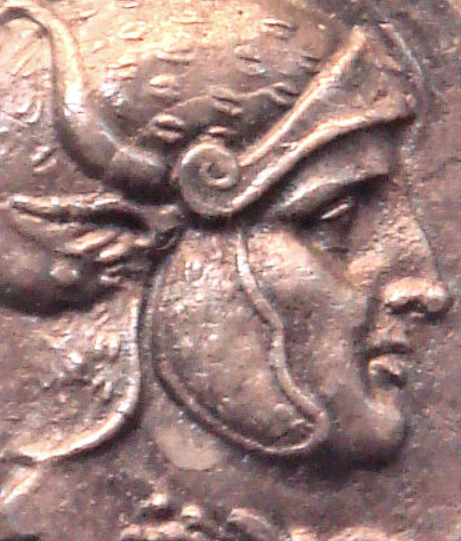
It was founded in 300 B.C. by Seleucus I Nicator, one of Alexander the Great’s generals who came to control the lands from Syria to the east after the death of Alexander. Seleucus named the settlement ‘Seleucia Euphrates’, after himself, with the settlement on the opposite bank of the river called ‘Apamea’, named after his Persian wife.

Seleucus Nicator I

Seleucus I Nicator 

In 64 B.C. Seleucia Euphrates was conquered by the Romans who then called it ‘Zeugma’, which actually means ‘bridge’ or ‘crossing’.

Zeugma was a highly important as a strategic location for crossing the Euphrates River, and one of the Scythica Legions guarded it.

But it was also valuable as a link in the future Silk Road trade route, connecting Antioch on the Mediterranean coast to China far to the east around A.D. 256. Myriad merchants and goods passed through Zeugma’s customs, and the settlement became extremely rich.

At its peak, the population of Zeugma is said to have reached 80,000!

Site of Zeugma as seen from Apamea, across the Euphrates

Site of Zeugma as seen from Apamea, across the Euphrates

However, like most great cities, Zeugma’s time in the Sun was not to last. The city was destroyed by the Sassanian King, Shapur I, and then later a massive earthquake finished it off.

Zeugma never really recovered its former glory.

In the fourth century A.D. Zeugma fell under Roman control again, and then came under the rule of the Byzantines during the fifth and sixth centuries. By the tenth century, it was just a small Abbassid settlement.

If history teaches us anything, it is that glory is fleeting.

For two centuries, Zeugma was the residence of high-ranking Roman officials, guarded by legions, and it was this period and circumstance that allowed the city to flourish.

Mosaic of Nine Muses discovered

Mosaic of Nine Muses discovered

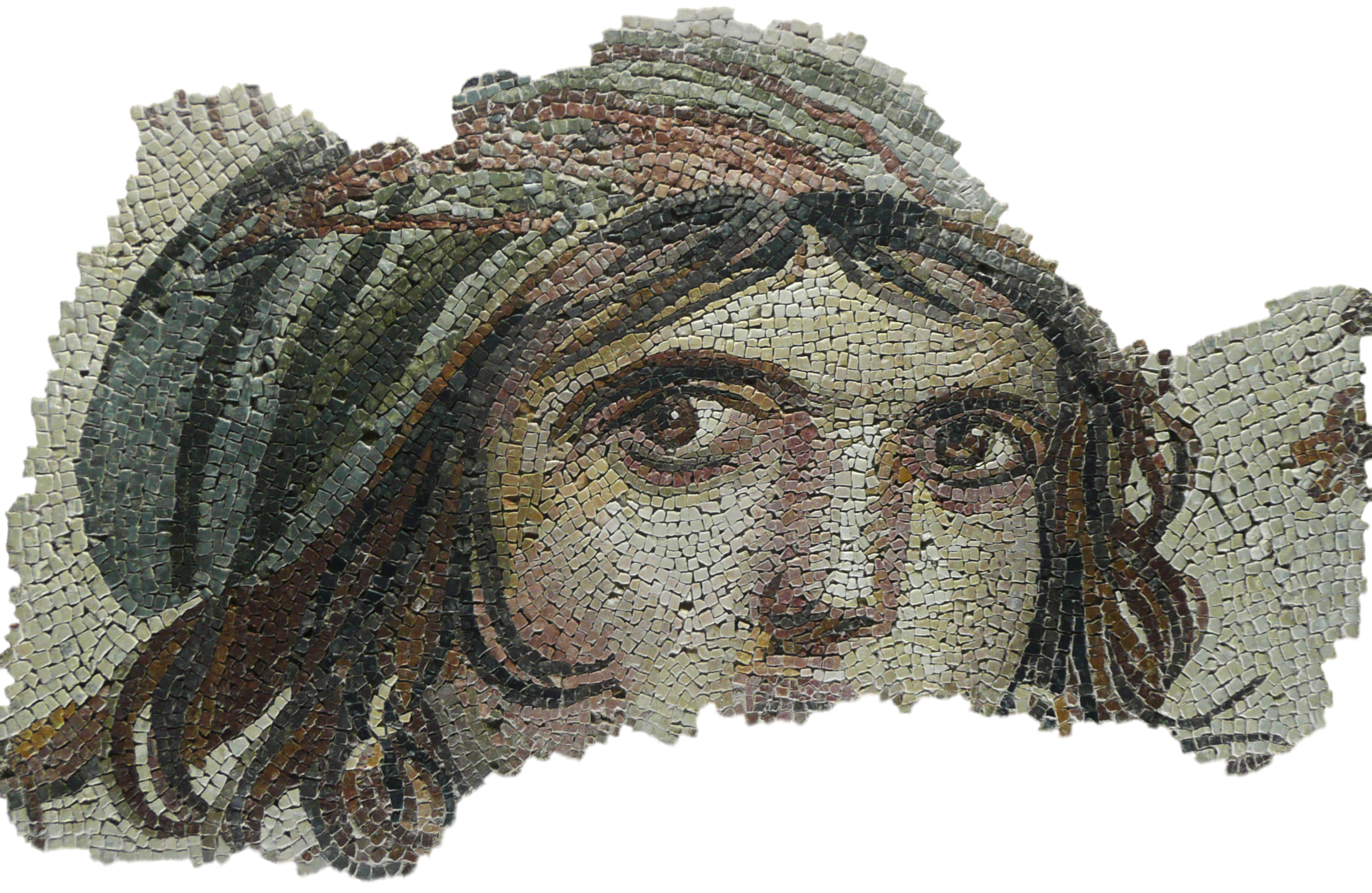
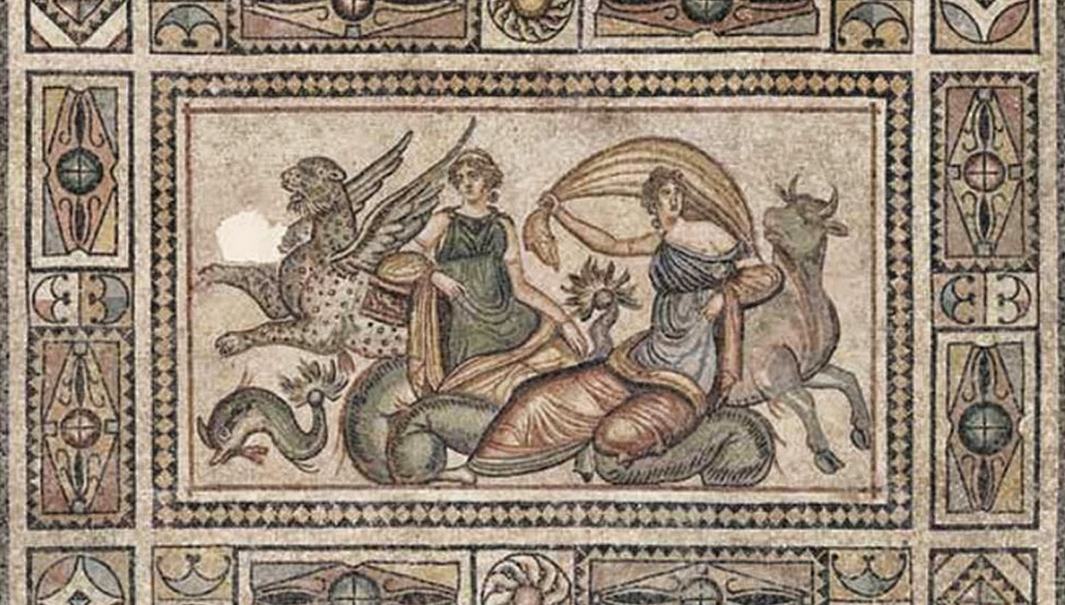
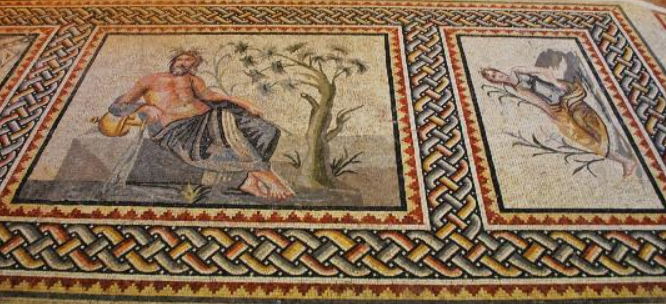
Zeugma’s glory might have been short-lived, but the marks that these years of prosperity have left in the form of its artwork are truly beautiful.

While watching that first documentary on the Treasures of Ancient Zeugma, my heart was gripped with sadness for the threatened loss of these works of art. As the archaeologists uncovered mosaic after mosaic, my eyes widened at their intricacy, their detail, the lively beauty revealed as wet sponges wiped away the dust to explosions of colour. I think I may even have wept at the site.

Incredible detail and colour

Incredible detail and colour

I won’t even attempt to describe the wonders of the Zeugma mosaics – I’ll let the pictures speak for themselves…

In an ideal world, works on the hydro-electric dam would have been stopped, and an alternative plan set in place. But this was not to be. Thankfully the Turkish Ministry of Culture got things rolling and brought in experts to try and save what they could before Zeugma was lost beneath the waters of the Euphrates forever.

Zeugma Mosaic 1

Because of the dam, Apamea has been totally submersed, as has the majority of the Zeugma settlement. However, a museum has been constructed on-site, and archaeologists continue to excavate where they can so that more of Zeugma’s past can be revealed and preserved.

Zeugma Mosaic 5

Thankfully, many of Zeugma’s treasures have been rescued, rendering our image of the ancient world that much richer.

How many other magnificent settlements lie beneath the sand and seas, waiting to be discovered?

Gods only know, but it is exciting to think about.

Thank you for reading.

Sadly, I was unable to find a live link to the documentary, Treasures of Ancient Zeugma, but here is an alternative video which also goes over the rescue mission and history of Zeugma. It’s less dramatic, but will give you an idea.

For more information on Zeugma, be sure to check out the website for the Zeugma Archaeological Project.

Also, click here to read a fantastic article on Zeugma in Archaeology Magazine.

Zeugma Site Map

Zeugma Site Map

Facebooktwitterpinterest