Author: AdamAH
ZEUGMA – Art and the Riches of Asia
In my years of research, I’ve come across many ancient sites that have quite taken my breath away with their history and the splendour of their remains.
One of these sites is located in what is now the south-eastern part of modern Turkey. It’s called Zeugma, and it is one of those places that have left an indelible mark on my image of the ancient world.
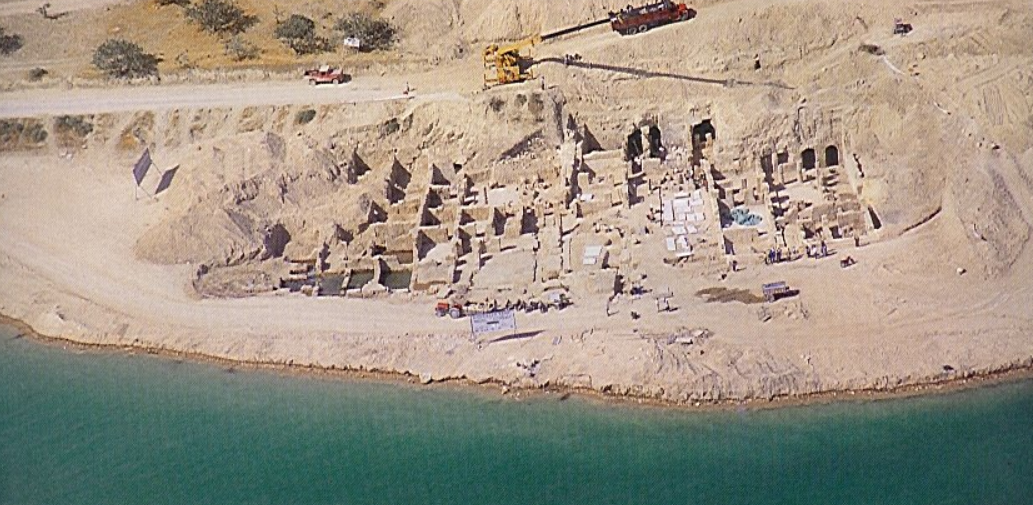
In 2000 I saw a documentary called ‘Treasures of Ancient Zeugma’ which talked about a race against time to save the remains of this ancient city from the rising waters of a hydro-electric dam that was being built at Birecik.
In all truth, I had not heard of Zeugma before this documentary, but after watching it I would certainly never forget it.
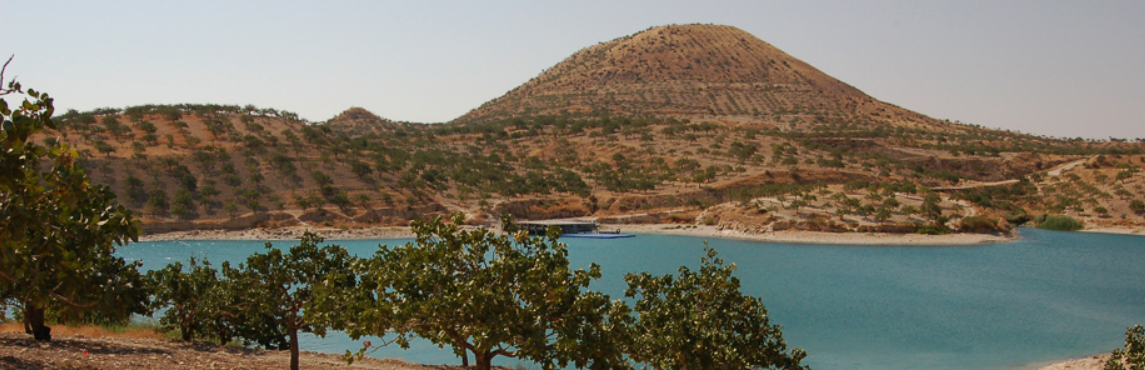
Zeugma is located on the banks of the Euphrates River where its remains were buried beneath pistachio groves for over 2000 years.
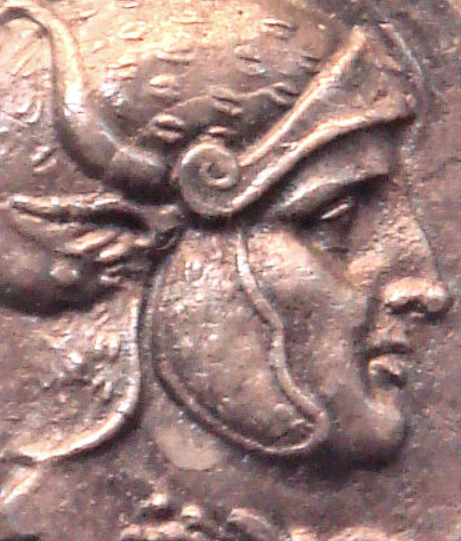
It was founded in 300 B.C. by Seleucus I Nicator, one of Alexander the Great’s generals who came to control the lands from Syria to the east after the death of Alexander. Seleucus named the settlement ‘Seleucia Euphrates’, after himself, with the settlement on the opposite bank of the river called ‘Apamea’, named after his Persian wife.
In 64 B.C. Seleucia Euphrates was conquered by the Romans who then called it ‘Zeugma’, which actually means ‘bridge’ or ‘crossing’.
Zeugma was a highly important as a strategic location for crossing the Euphrates River, and one of the Scythica Legions guarded it.
But it was also valuable as a link in the future Silk Road trade route, connecting Antioch on the Mediterranean coast to China far to the east around A.D. 256. Myriad merchants and goods passed through Zeugma’s customs, and the settlement became extremely rich.
At its peak, the population of Zeugma is said to have reached 80,000!
However, like most great cities, Zeugma’s time in the Sun was not to last. The city was destroyed by the Sassanian King, Shapur I, and then later a massive earthquake finished it off.
Zeugma never really recovered its former glory.
In the fourth century A.D. Zeugma fell under Roman control again, and then came under the rule of the Byzantines during the fifth and sixth centuries. By the tenth century, it was just a small Abbassid settlement.
If history teaches us anything, it is that glory is fleeting.
For two centuries, Zeugma was the residence of high-ranking Roman officials, guarded by legions, and it was this period and circumstance that allowed the city to flourish.
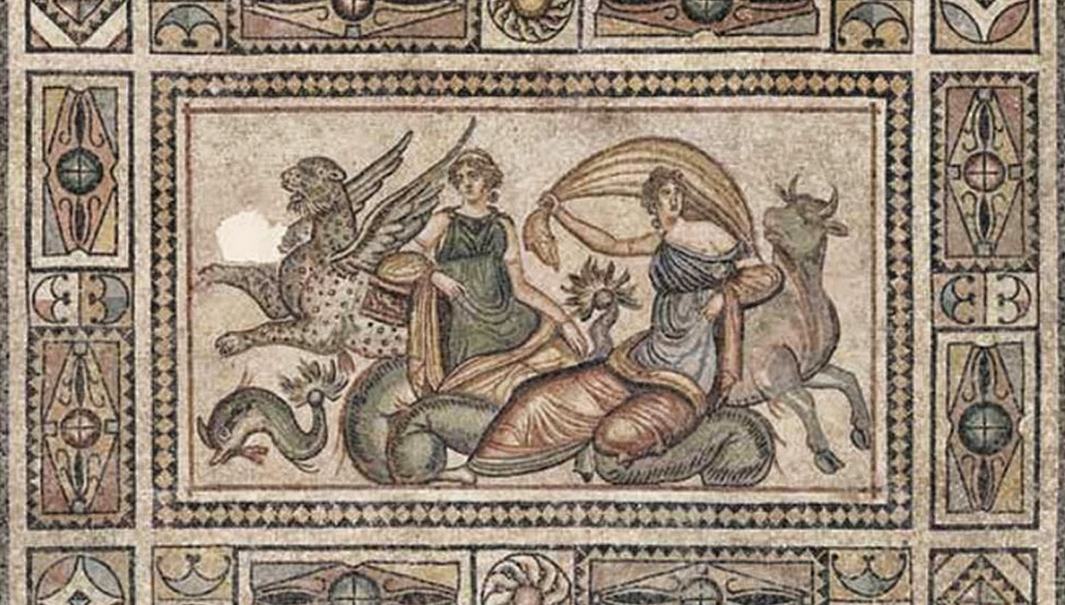
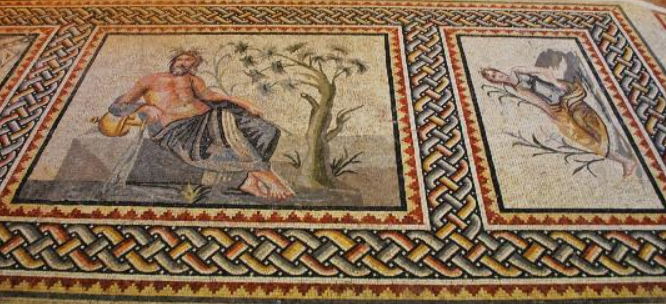
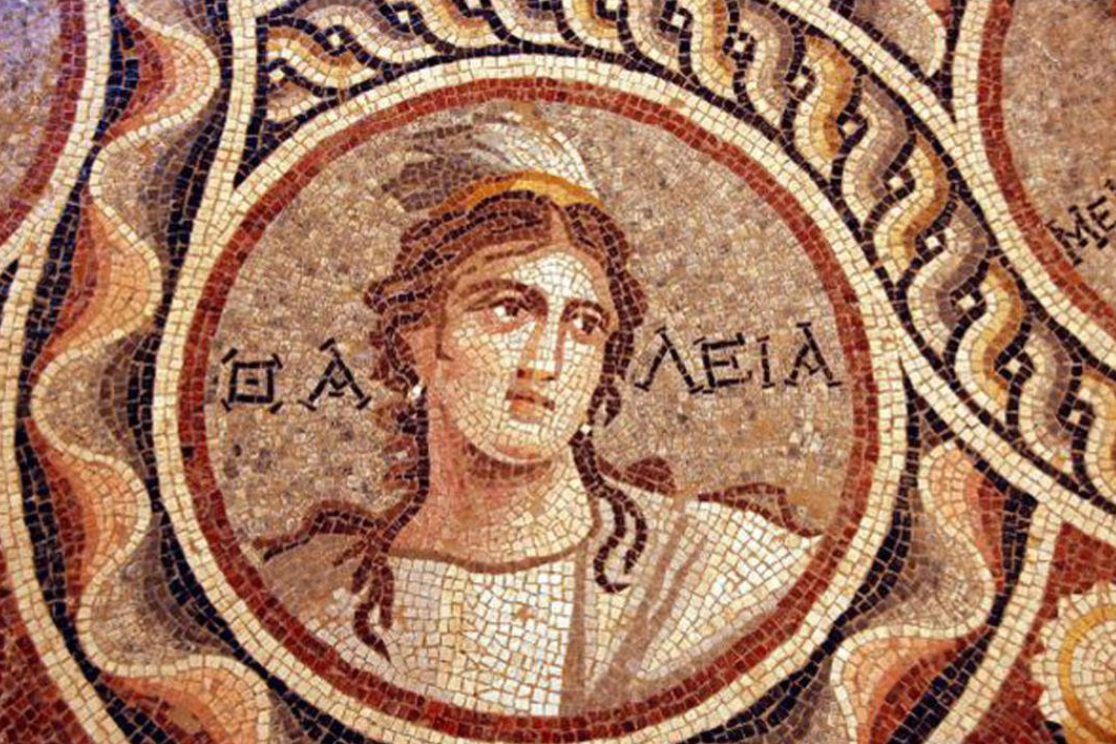
Zeugma’s glory might have been short-lived, but the marks that these years of prosperity have left in the form of its artwork are truly beautiful.
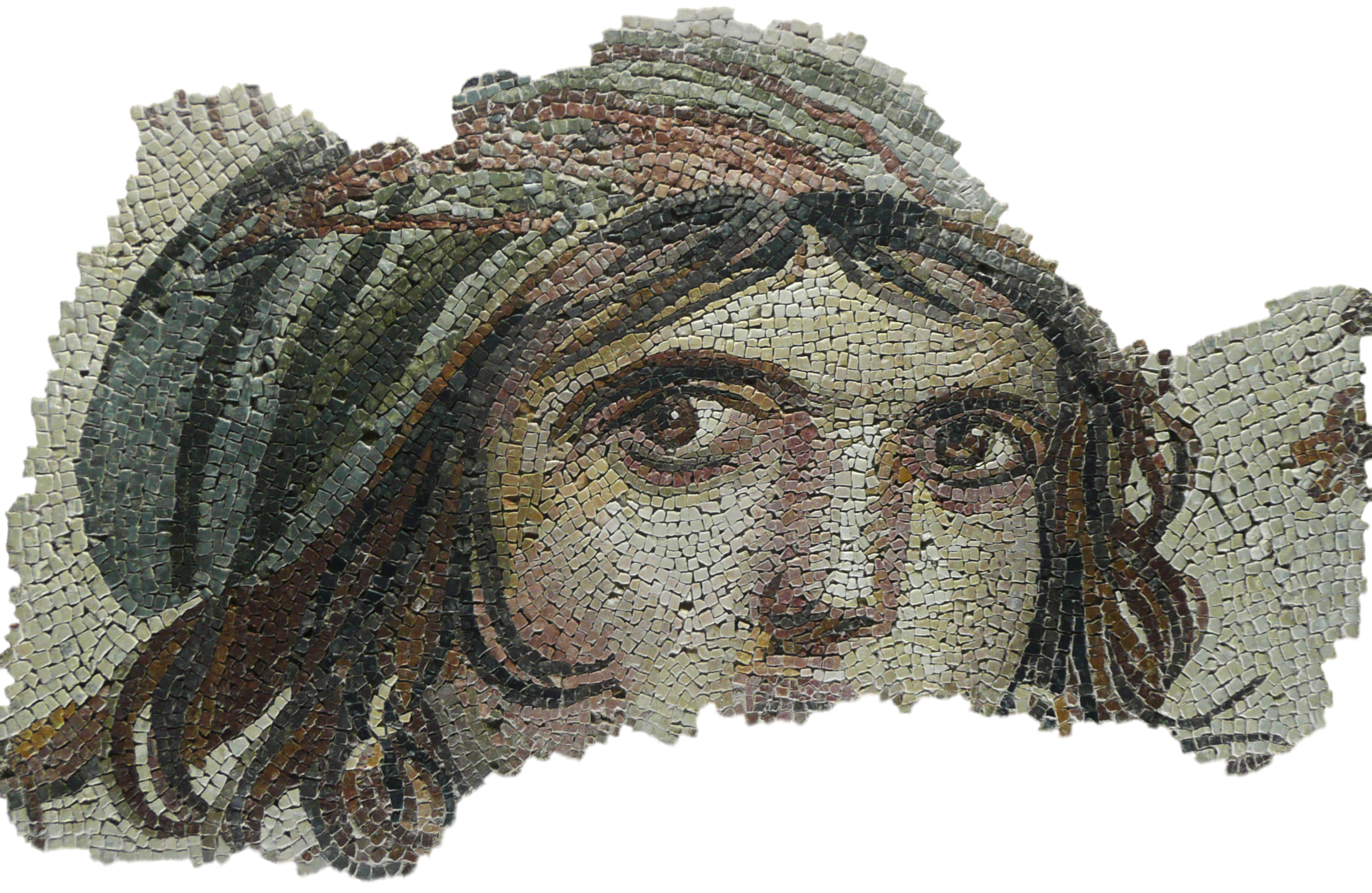
While watching that first documentary on the Treasures of Ancient Zeugma, my heart was gripped with sadness for the threatened loss of these works of art. As the archaeologists uncovered mosaic after mosaic, my eyes widened at their intricacy, their detail, the lively beauty revealed as wet sponges wiped away the dust to explosions of colour. I think I may even have wept at the site.
I won’t even attempt to describe the wonders of the Zeugma mosaics – I’ll let the pictures speak for themselves…
In an ideal world, works on the hydro-electric dam would have been stopped, and an alternative plan set in place. But this was not to be. Thankfully the Turkish Ministry of Culture got things rolling and brought in experts to try and save what they could before Zeugma was lost beneath the waters of the Euphrates forever.
Because of the dam, Apamea has been totally submersed, as has the majority of the Zeugma settlement. However, a museum has been constructed on-site, and archaeologists continue to excavate where they can so that more of Zeugma’s past can be revealed and preserved.
Thankfully, many of Zeugma’s treasures have been rescued, rendering our image of the ancient world that much richer.
How many other magnificent settlements lie beneath the sand and seas, waiting to be discovered?
Gods only know, but it is exciting to think about.
Thank you for reading.
Sadly, I was unable to find a live link to the documentary, Treasures of Ancient Zeugma, but here is an alternative video which also goes over the rescue mission and history of Zeugma. It’s less dramatic, but will give you an idea.
For more information on Zeugma, be sure to check out the website for the Zeugma Archaeological Project.
Also, click here to read a fantastic article on Zeugma in Archaeology Magazine.
The Cult of Mithras
Hello everyone,
I’d like to thank all of you for your patience and kind words over the last few weeks. It has indeed been a difficult time with the sudden loss of my father.
I’m soldiering on with my writing. The first draft of Thanatos (final part in The Carpathian Interlude series) is finished and promises to be a wild ride into darkness – something to match my mood of late.
I’m also thinking of trying out some new things involving video, so look for that in the coming weeks.
Today, I wanted to draw your attention to a guest post of mine on the English Historical Fiction Authors website (EHFA).
If you haven’t seen this site, you should check it out and sign-up for their e-mail updates. If you like history, you will get a daily dose of fascinating blog posts on a wide range of topics.
When the kind folks at EHFA contacted me to ask if I would be able to post on the site several weeks ago, I of course said yes!
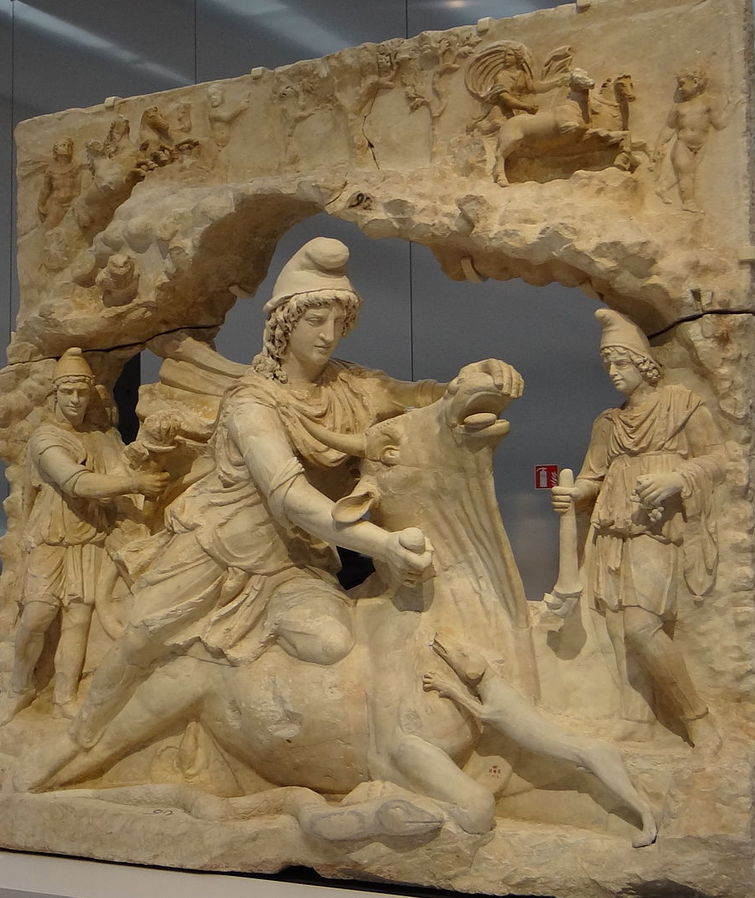
With the subsequent loss of my father, however, I wasn’t sure I would be able to do it. But, writing is therapeutic for me, and so I put together a post called The Cult of Mithras – the British Connection in which I look at Mithraism and The Carpathian Interlude series and how the cult of Mithras was present in Britannia.
If you like ancient mystery religions, or The Carpathian Interlude series, I think you’ll enjoy reading this post.
I’ve also thrown myself into research for another Eagles and Dragons series novel and, as ever, history has been a wonderful distraction from the strange days in which I find myself.
So, thank you again for all your wishes, and I look forward to talking more history with all of you.
Oh, and by the way, from February 18th-22, Chariot of the Son is available for FREE DOWNLOAD from Amazon, so be sure to go and get your copy.
As ever, thank you for reading…
Writing the Past will be taking a break…
Roaming the Past – Documentaries to Fire Your Passion for History
I don’t know about you, but in this post-holiday time of the year I’m feeling a bit down.
This past week, like many I suspect, I went back to my small square-of-a-cubicle at my day job to get on with ‘regular work’.
That’s always tough, and, despite hitting the weights, yoga, meditation, going to see the new Hobbit movie, and all other manner of uplifting activities, fighting those back-to-work doldrums can make you feel like a lone centurion facing down a Parthian cavalry charge.
But, as ever, there is hope and enlightenment to be found in history.
One thing that I’ve always found is that getting lost in your favourite period of history can wipe out the New Year blues and make you feel like you have some reinforcements at your back.
One way in which I do this is to watch ancient and medieval history documentaries. The combination of knowledge, travel log, archaeological discovery, and ancient innovation always fills a void and reignites my passion for history. And the human stories behind the history never fail to make that Parthian cavalry charge feel smaller and more manageable.
Today I wanted to share with you some of my very favourite documentary series to help temper your own version of cubicle-itis, and get you through the next few weeks as we step into the jaws of Winter (at least in the northern hemisphere).
As with all of these shows, much hangs on the presenter.
Remember, we’re dealing with history here, and most people don’t have very fond memories of their school history classes. Documentaries are dynamic school rooms and it all hangs on the teacher/presenter.
I can’t stand it when a television presenter is overly academic, snooty, blustery, or arrogant. The show should always be about the subject matter, not the host’s ego.
And so, the following shows are on my list not only because of the fascinating topics, but also for the quality of the hosts, their respect and passion for the subject matter.
Michael Wood
For me, Michael Wood has presented some of the most fascinating documentary series since the late 70s. His In Search of series covers everything from the Myths and Heroes, to the Dark Ages, Anglo-Saxon England, and Shakespeare. However, the most fascinating of this series, for me, and for many archaeologists I know, is the six-part In Search of the Trojan War.
Click here for the direct link.
I highly recommend this series. It’s not just about the Trojan War itself, but the Bronze Age in general. You’ll even learn about the Trojans, the Greeks, and the Hittites!
My absolute favourite Michael Wood documentary, however, is his magnificent series entitled In the Footsteps of Alexander the Great.
In this three-part series, we journey with Michael along the entire route taken by Alexander’s army all the way from Macedon and Greece, to Tyre and Egypt, through war zones controlled by the Taliban to the Hindu Kush on into India and back. There are times when Wood was in danger too, but he is intrepid and curious, and you really get a feel for what the journey might have been like, visiting landscapes which few people will ever see in person.
At the time of filming, Wood was unable to visit the battlefield of Gaugamela, but after the second Iraq war, he returned to the area to film a follow-up documentary called Alexander’s Greatest Battle which is also well worth a look.
If you watch any of these videos, and have an interest in Alexander the Great, In the Footsteps of Alexander the Great is the one I recommend you watch. Here is the long trailer for it:
Click here for the direct link.
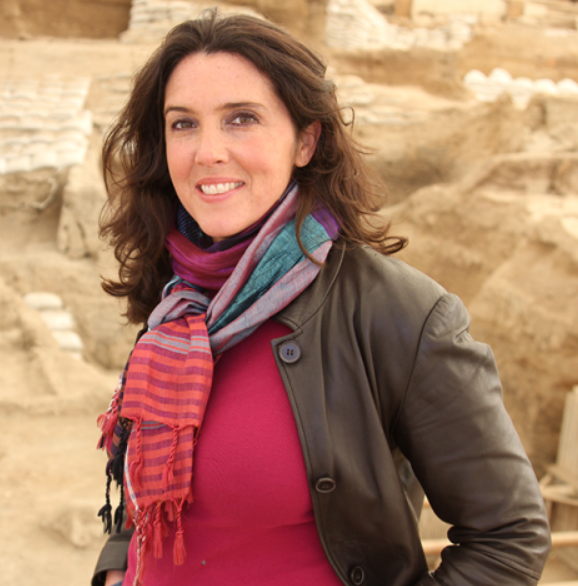
Bettany Hughes
Next up we have another British historian and broadcaster whose list of documentary credits is just as astounding as Michael Wood’s, perhaps even more varied.
Bettany Hughes has done documentaries on ancient Egypt, Greece, and Rome, and she’s looked at Helen of Troy and Nefertiti, Atlantis, ancient engineering, Democracy, and sex in the ancient world.
She has that passion that is so essential to teaching history, and she doesn’t sugar-coat the past. In fact, she gets down to the nitty-gritty, dirty details, and can tear down with style the romantic images that cloud our view of the past; her documentary Athens: The Dawn of Democracy is one such show.
Bettany seems to have a truly adventurous spirit too, which is great. Just recently she was tweeting out from modern Georgia and the land of Medea and the Golden Fleece where she was shooting for a new show.
My favourite documentary series that I have seen thus far from Bettany is The Spartans. This three-part series provides a fantastic look at the nature of Spartan society, its past glories, and its downfall. You’ll definitely want to see this one!
Click here for the direct link.
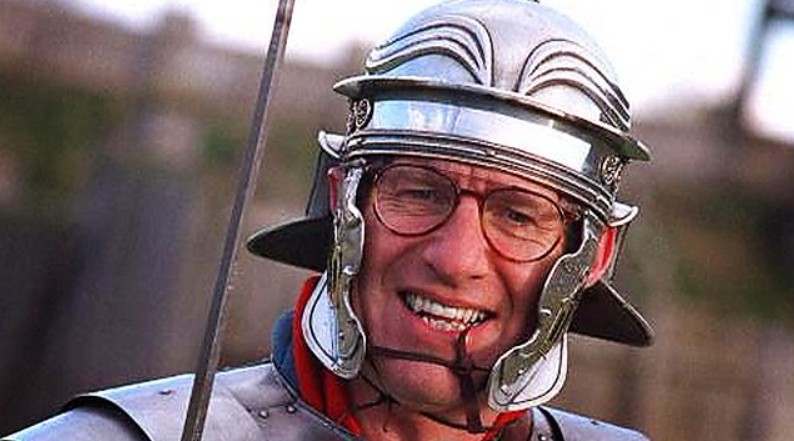
Adam Hart Davis
Our next presenter is probably the jolliest character of the group. He is a scientist, a historian, a broadcaster, and much much more. If you look at the range of his work, you’ll see that he covers a wide range of topics besides history.
The reason I’ve put Adam Hard Davis on this list is because his BBC series, What the Romans did for Us, is the most interesting documentary series I’ve ever seen that looks at the practical side of the Roman world.
In this series, Adam shows us numerous inventions and innovations to come out of the Empire. And the cool thing is that these are all things that we still use in some way, shape or form today.
Did you know that a Roman invented the hamburger? Or that the Romans had invented a fire engine? There are all sorts of wonderful surprises in this fantastic series, hosted by a man who loves what he does and has a child-like curiosity and enthusiasm that is truly contagious. You’ve got to watch this!
Click here for the direct link.
John Romer
Our next documentarian is British Egyptologist, historian, and author, John Romer.
He has done several shows on the ancient world, but the one that introduced me to him remains, for me, his very best.
Watching Seven Wonders of the Ancient World is a wonder-full journey to these magnificent sites that have captivated the human imagination for ages.
Romer does not give us the usual academic tour of these ancient tourist attractions. Rather he gets up close and personal with the ruins, the landscape, and the people who lived in those places. He mesmerizes the viewer with his poetic admiration of everything about these places.
In this series, Romer looks at the hidden corners surrounding the Seven Wonders. He’ll admire the grand design and architecture, but also the fine details of a hidden relief that decorates a forgotten piece of history.
Some people might think of Romer as melodramatic, but I think he is more passionate than anything. He loves ancient culture, history, and the people who created these timeless monuments.
https://www.youtube.com/watch?v=oQmIzJwjgEI
Click here for the direct link.
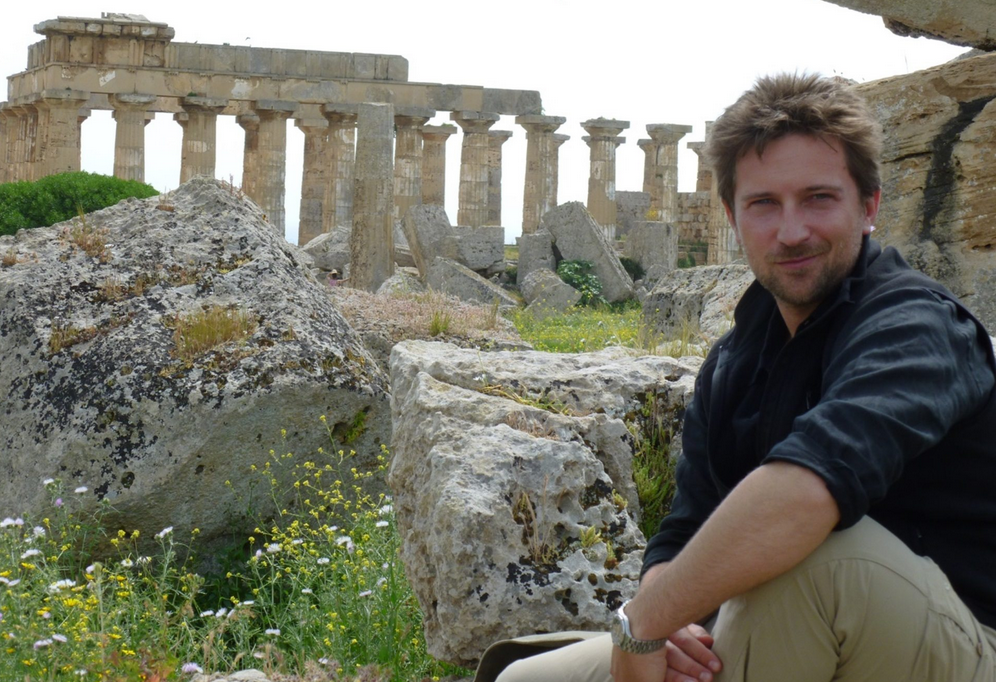
Michael Scott
This next presenter is relatively new to the history documentary scene compared with those I have mentioned above, but when I first saw one of his shows, I knew he would be an ancient history documentarian who would get a whole new generation of students interested in history.
Michael Scott’s style is cool and interested. He is very knowledgeable, and has great passion for the subject matter he is talking about. Definitely not your typical, dry academic!
His most recent series is called Roman Britain from the Air, which began airing last month. I haven’t seen that yet, but I’m looking forward to checking it out.
Most of his documentaries are about ancient Greece, however, and the one that I wanted to mention here is his three-part series Ancient Greece: The Greatest Show on Earth.
This show was a bit of an eye opener for me. Not having studied ancient Greek theatre, it came as something of a surprise that ancient Greek drama was so closely linked to the birth of Democracy, and that it played such an essential, pivotal role in ancient Greek society.
If you want to learn a lot about ancient Greece, in a fascinating and entertaining way, you should definitely watch Michael Scott’s series. After watching this, you’ll want to get yourself on a plane to Greece as soon as you can!
http://youtu.be/xf9cDKqwhQw?list=PLaGnq8H7GaVLH-dDaUlKHpy-JcMqwmI5F
Click here for the direct link.
Richard Harris
Wait! Richard Harris, the actor? Yes.
My last entry here is not an academic or historian, but he sure was an entertainer, and sometimes larger than life.
One of my primary refuges from the madness of the world is the Arthurian realm, and so I could not offer up this list of blues-chasing documentaries without mentioning my favourite Arthurian documentary.
Many of you may have seen Richard Harris in the first couple of Harry Potter movies as Professor Albus Dumbledore. Personally, I liked him as the Emperor Marcus Aurelius in the movie Gladiator, and King Richard the Lionheart in the movie Robin and Marian. Actually, Richard Harris rarely ever disappointed in any of his film roles over the years of his magnificent career, including as King Arthur in the film version of the musical Camelot.
The latter was the reason he was chosen to host this single documentary on Britain’s most famous hero.
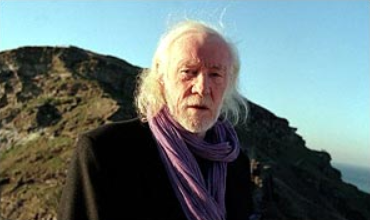
Arthur: King of the Britons came out not long before Richard Harris’ death in 2002. This is a wonderful documentary of this myth, history and archaeological discoveries surrounding the person of Arthur.
Rather than seeking to tear down or dismiss the theories about an historical Arthur, this documentary looks at the real possibilities and evidence for the existence of Arthur. This is not about late medieval knights in shining armour.
This documentary is about the search for the person who may have been the historical Arthur, the Romano-British warlord who held off the Saxons for a brief time in the early sixth century A.D.
What I love about this documentary are the visits to Tintagel Castle, and South Cadbury Castle, as well as the digital recreations of these and other sites. It gives a magnificent perspective of them, and the latest research at the time.
If you missed my post on South Cadbury Castle, click HERE to check it out.
As I mentioned in that post, I had been working as an archaeologist on the dig there, which happened to be during the time of the filming of Arthur: King of the Britons!
Unfortunately (well, sort of unfortunately), I was in Greece when the film crew and Richard Harris showed up at the site. So, I missed meeting the great actor himself – and my dig mates made sure to tell me! However, you can see my dig director, Richard Tabor, on the video, which is pretty cool.
Richard Harris is legend, and so what better actor than one who has played Arthur, to present this documentary. He is cool, captivating, and powerful as he tries to unravel the mythical Arthur, and bring us face-to-face with the Arthur of history.
Click here for the direct link.
So there you have it, a selection of magnificent history documentaries, presented by engaging and knowledgeable hosts, to get you through the winter months.
Let us know in the comments if you do watch some, and which ones you enjoy.
Also, if you have any of your favourite documentaries or hosts you would like to share with everyone here, please do tell us in the comments.
Cheers and thank you for reading!
Writing the Past in 2015
Happy New Year to all of you!
Yes, 2015 is here. For an historian especially, I think the passage of time is all the more acute. Maybe that’s because we are a bit more aware of dates and periods in history.
We’ve had a very enjoyable holiday in my house. Lots of food and drink, family and friends, movies, music and of course, reading. The Wassail and mulled wine were especially big hits with the adults! There was definitely a lingering feeling of magic in the air.
However, New Year to me is always a mix of excitement and melancholy. I find it bitter-sweet to let another year go by, but then there is so much more that I want to do, that I look forward to doing, personally and professionally.
For this first post of 2015, I thought I would go over some of the big things I have on my ‘To Write and Publish’ list.
First of all, I’m just about finished the first draft of Thanatos, Carpathian Interlude Part III. This will be the last part of the trilogy and it has definitely taken some unexpected turns, thrusting Gaius Justus Vitalis into realms of darkness and despair.
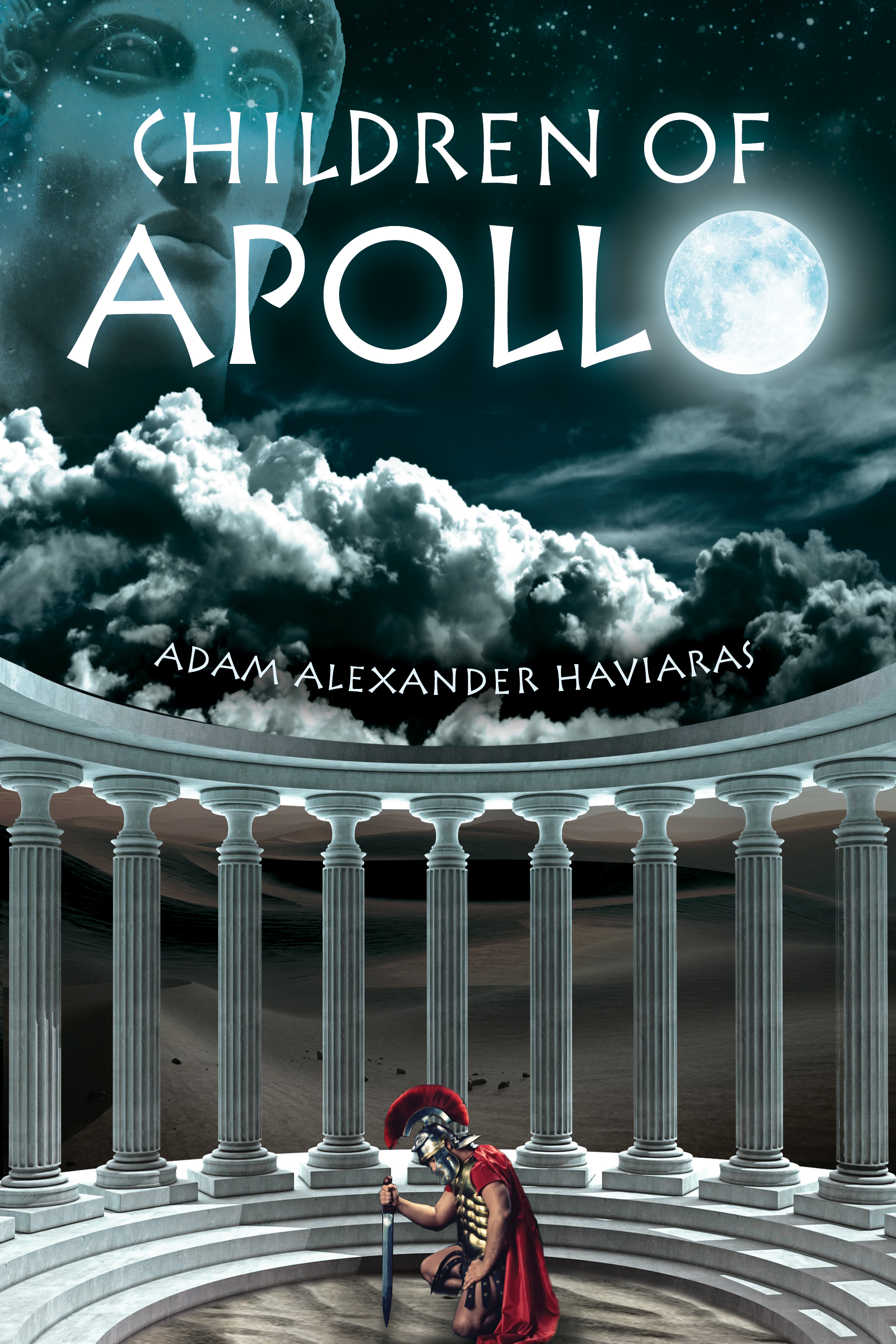
Secondly, I want to write a prequel novella to the Eagles and Dragons series. This will take readers through Lucius Metellus Anguis’ first years in the Legions and the Parthian campaign in which Emperor Septimius Severus conquered the Parthian Empire and sacked Ctesiphon. It is in this campaign that Lucius comes to the Emperor’s attention and this story will show how Lucius came to be in Alexandria and what led him to be made a tribune in charge of the patrol across Roman North Africa which is where Children of Apollo begins. I’m really looking forward to going back to Lucius’ early, idealistic days.
Third, I’m in the middle of working on the second draft of Warriors of Epona (Eagles and Dragons Book III). This book will be out, I hope, for next summer at the latest. Because I write my first drafts long-hand, I need to type the manuscripts out. This is good for revision but it does slow the process down. So, related to that, I want to try and type directly onto the computer if I can work something out as far as technology. I do most of my writing away from my computer, so, we’ll see how that goes. Writing long-hand, I find, helps me to think and formulate my thoughts as I go. Change is good, however, so here’s to improved processes in 2015!
Fourth, I now have an idea for the second instalment in the Mythologia series. I’m not letting that beast of the bag just yet, suffice it to say it will be full of intrigue and an epic battle that only a great hero can come out of alive. It will not be something you will expect.
Fifth, my research for the tentatively titled ‘Heart of Fire – A story of the Ancient Olympics‘ has begun, but I want to get even more stuck into it. I probably won’t finish writing this book in 2015, but I do want start it. I’ve got a great story idea for this stand-alone novel!
Sixth, after having let it languish for over a year, I’m determined to get back into the Killing a God series about Alexander the Great. With the Amphipolis discovery in Greece over the past several months, the time certainly is ripe for this story. Of course the series is not finished, but I have a few hundred pages which I will probably serialize. This is going to take a good deal of planning, but it will be well-worth the wait as I think I’ve developed a great storyline and take on the Alexander story from a very different point of view.
Seventh, once Warriors of Epona is out, I’m going to jump right into book IV of the Eagles and Dragons series. I’m developing the story more precisely and doing a bit more research, but I do know that it’s going to be a beautiful and intense follow-up to book III.
Those are my writing goals at the moment. I’d be lying if I said I wasn’t daunted by all this work, but in truth my biggest challenge is not writing. After all, I love writing about the past, and it’s always a great joy to me that (Thank the Muses!) comes relatively easily. Time, and my lack thereof, is where I need to strategize. Hopefully 2015 sees an abundance of Roman Legion efficiency for my part.
I’m curious about your own goals for 2015. Do you have any places you would like to travel to this year? What are your reading goals? Do you have your own writing or research goals? Are there any historical films you’re looking forward to this year? Please do share in the comments below!
Whatever you do, or aim to do, I hope that 2015 is a brilliant year for all of us!
I’d like to close this post by saying Thank You to all of you for the e-mails and various other interactions in 2014. I love sharing the past with you all, and look forward to writing more of it.
Cheers and Happy New Year!
Thank you for reading.
Merry Christmas and Happy New Year!
In Insula Avalonia – Camelot: The Fortress of Arthur
At the very south ende of the chirche of South-Cadbyri standith Camallate, sumtyme a famose toun or castelle… The people can tell nothing ther but that they have hard say that Arture much resorted to Camallate. (John Leland, Royal Antiquary, 1532)
Happy Holidays everyone!
Hard to believe we’re at the end of yet another year. How can so much happen in so little time? With time speeding by at such an alarming rate, History is, as ever, my anchor and touchstone.
This will likely be my last post of 2014. When I was trying to think of a suitable topic, it didn’t take me long to decide what better way to get into the holidays than a post about ‘Camelot’.
We haven’t been In Insula Avalonia since the springtime when I spoke about Glastonbury Abbey, and prior to that Gog and Magog, Wearyal Hill and the Holy Thorn, The Chalice Well, and Glastonbury Tor. If you missed those posts, you can read them on the old website. Just click on the names.
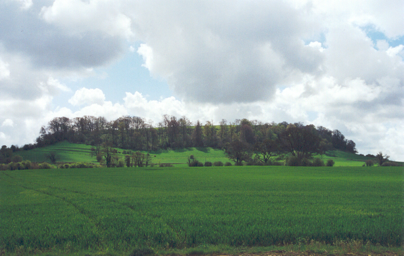
For Part VI of In Insula Avalonia, we’re going to look at a site that is just ten miles from Glastonbury itself: South Cadbury Castle.
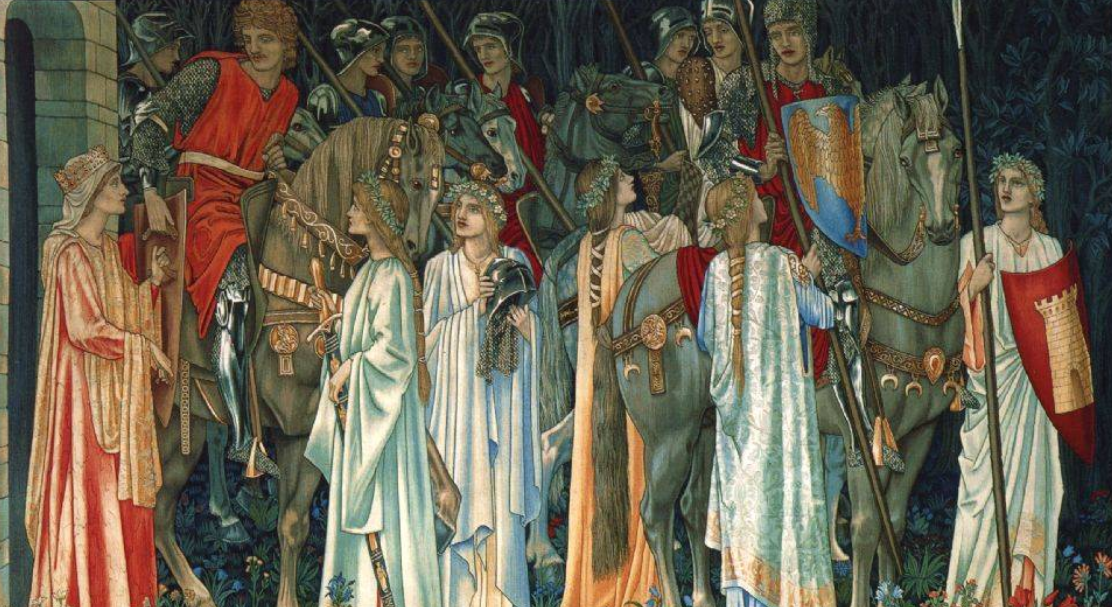
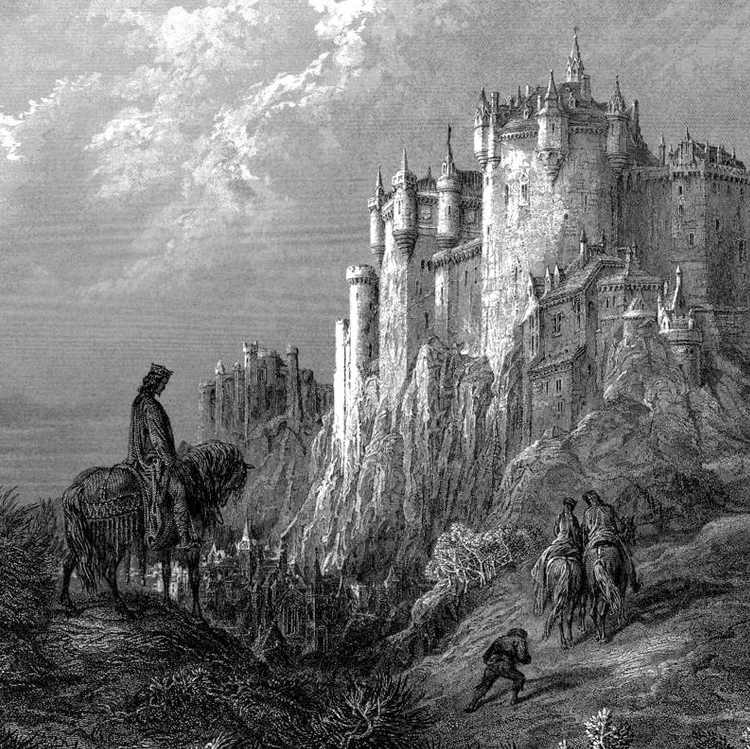
Now, South Cadbury Castle, like so many of the other places that we have discussed in this blog series, is a site with strong Arthurian associations. As such, its importance and role is hotly debated.
Was South Cadbury Castle the power centre of the historical Romano-British warlord, or dux bellorum, we know as ‘King Arthur’? Was this the actual site of what has come to be known in the popular imagination as ‘Camelot’?
I’ve always been a strong proponent of the theory that there was in fact, an historical ‘Arthur’ who formed the factual basis for all the legends we love and cherish. So, when I look at sites such as South Cadbury, I do so with that in mind. However, that doesn’t mean that I accept a site’s association with Arthur on faith alone.
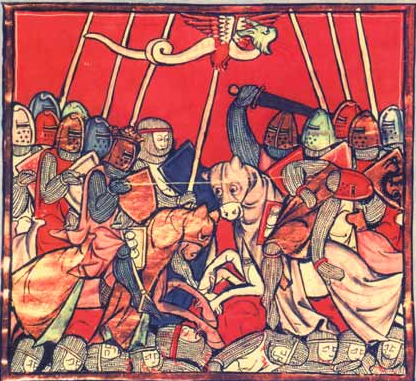
I know this site pretty well – as I studied it and wrote about it as part of my Master’s dissertation entitled Camelot: Comparing the historical, archaeological, and toponymic evidence for King Arthur’s Capital. As part of this, I looked at three of the main candidates for Camelot that had been put forward at the time – Wroxeter (Roman Viroconium), Roxburgh Castle (in the Scottish Borders), and South Cadbury. There is a copy of the dissertation hidden somewhere in the stacks at the St. Andrews University library in Scotland.
South Cadbury Castle is also where I cut my teeth as an archaeologist as part of the South Cadbury Environs Project team for a couple of seasons under the leadership of Professor Richard Tabor. This was a wonderful experience that helped me to get up close and personal with the site I had studied for so long – I dug test pits, got into bigger trenches in which curious cows came to watch what I was doing, carried out geophysical surveys with a magnetometer, and found some curious objects such as a bronze dolphin that formed the handle of a Roman drinking cup.
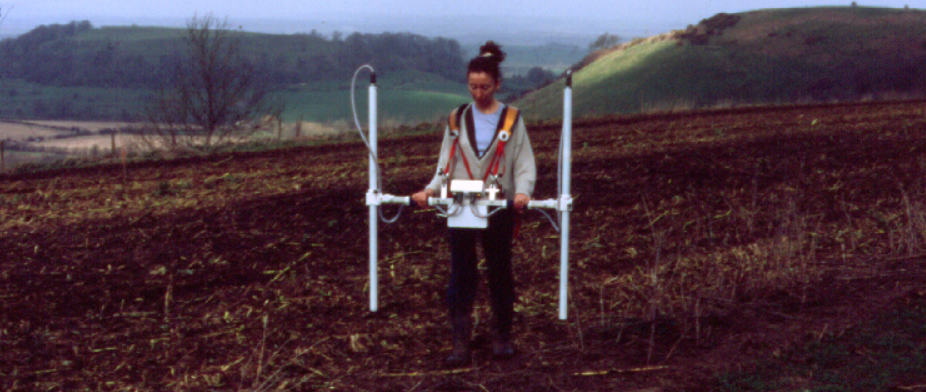
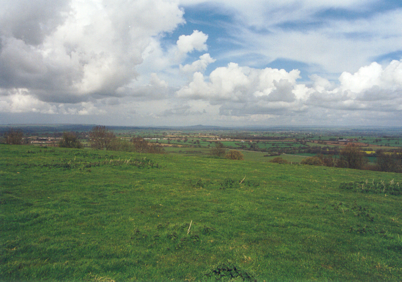
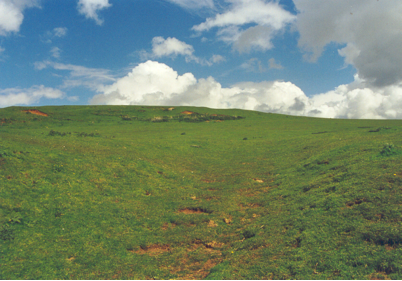
Most of all, I was given the chance to spend more time on this amazing, and yes, magical, landscape.
Before I give my thoughts on wandering the slopes of South Cadbury Castle, we should have a look at what it actually is.
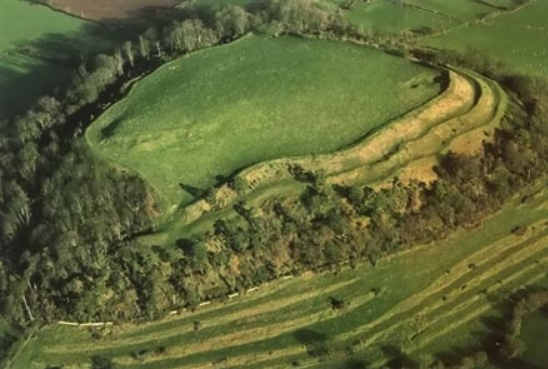
South Cadbury Castle is not the late medieval castle with banners flying from tall towers that make up our usual image of Camelot. It is a 500 foot high Iron Age hill fort located in the pre-Roman era lands of the Durotriges. Occupation of the site began in the Neolithic period and it went through various stages of occupation from the 5th century B.C. onward.
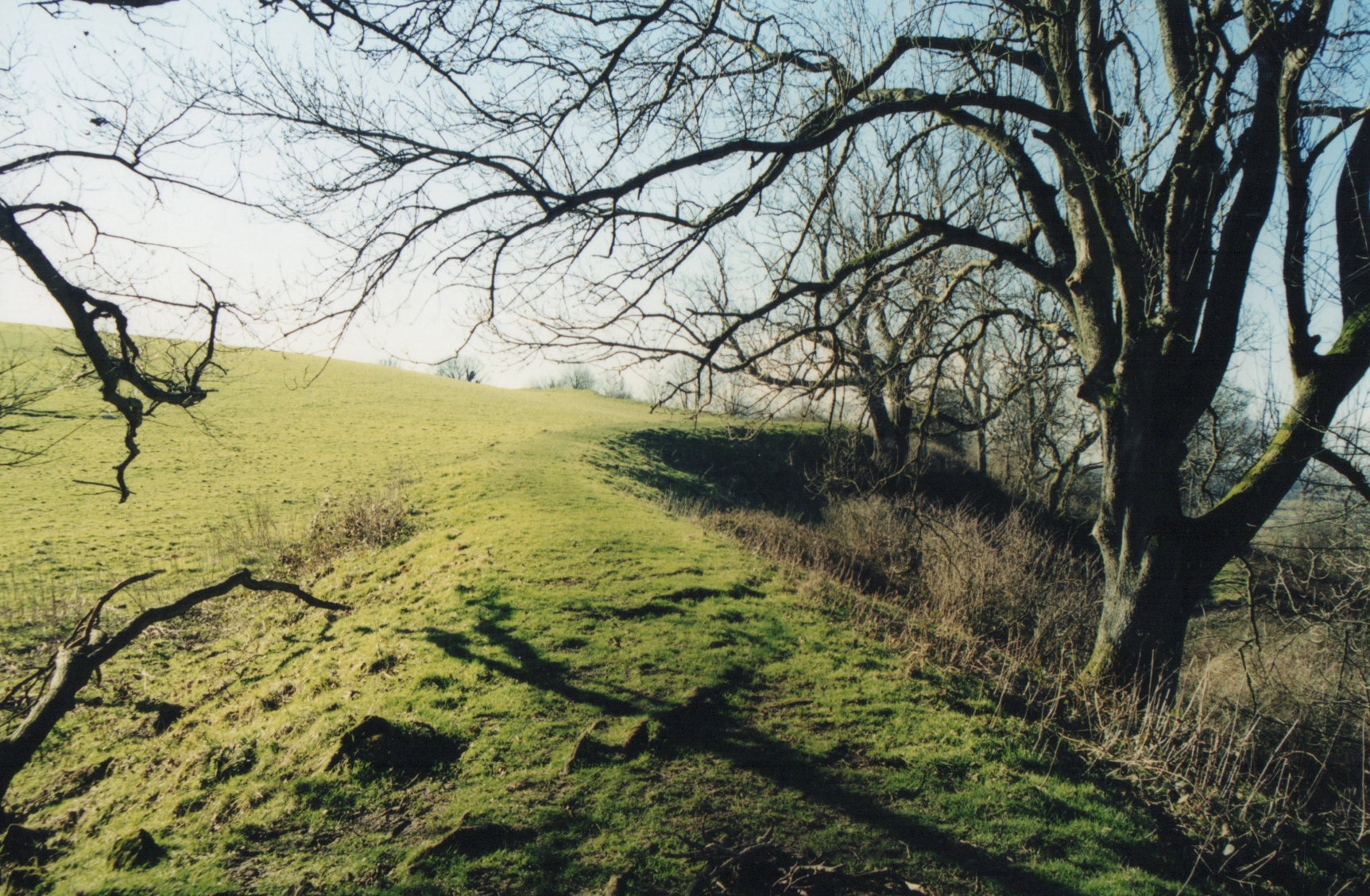
By the time of the Roman invasion of Britain, it had four massive defensive ramparts with an inner area of about 18 acres. Access to the top was by two entrances, one to the north-east and the other, larger one to the south-west. The Iron Age occupation of the site came to a violent end around A.D. 43 when Vespasian stormed the southern hill forts of Britannia.
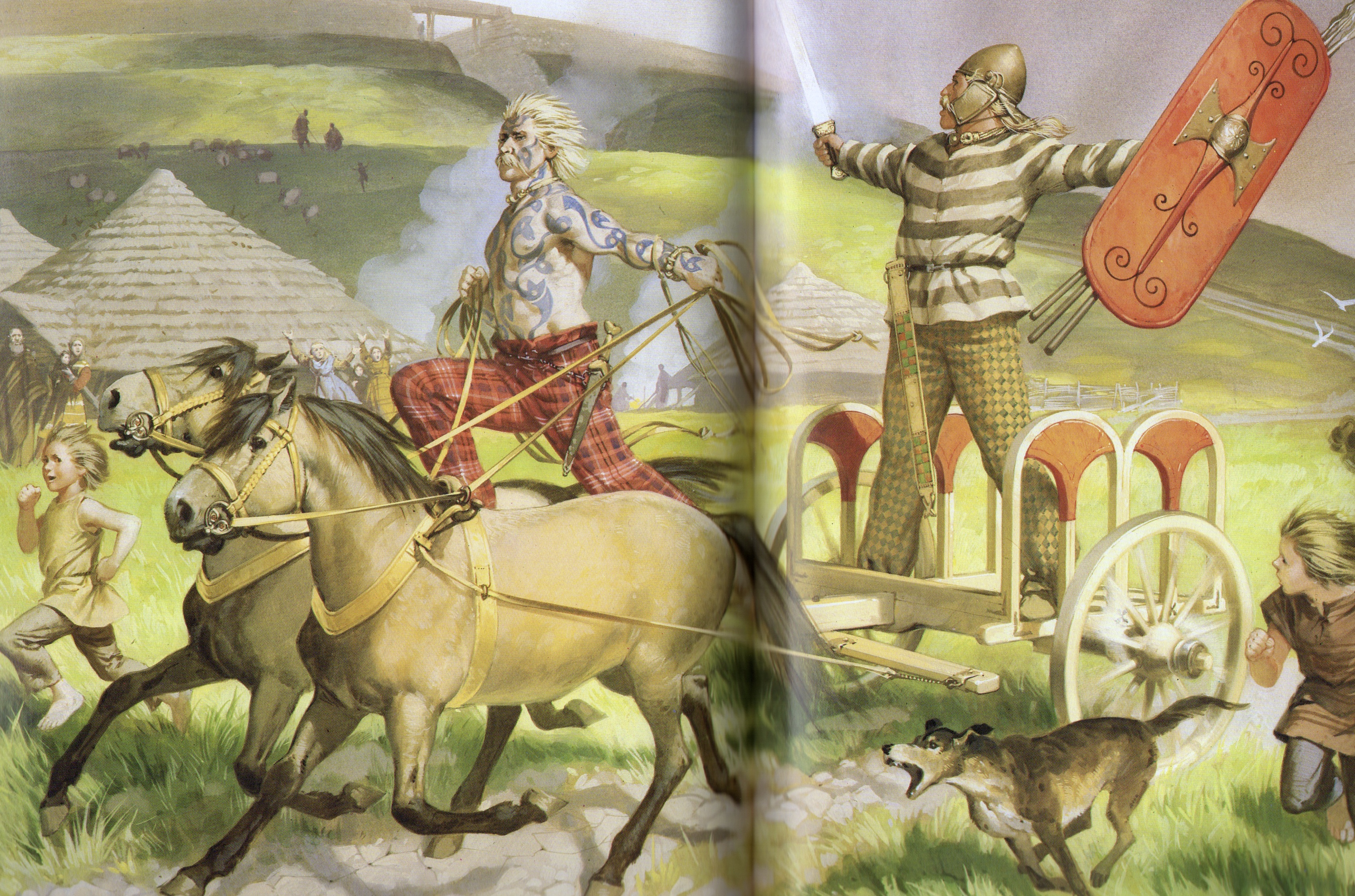
British Belgic Warriors of the Iron Age – Illustrated by Angus McBride (source – Rome’s Enemies 2 – Gallic and British Celts)
The Romans made little use of the site, though there have been some theories that it was used as a Roman supply station.
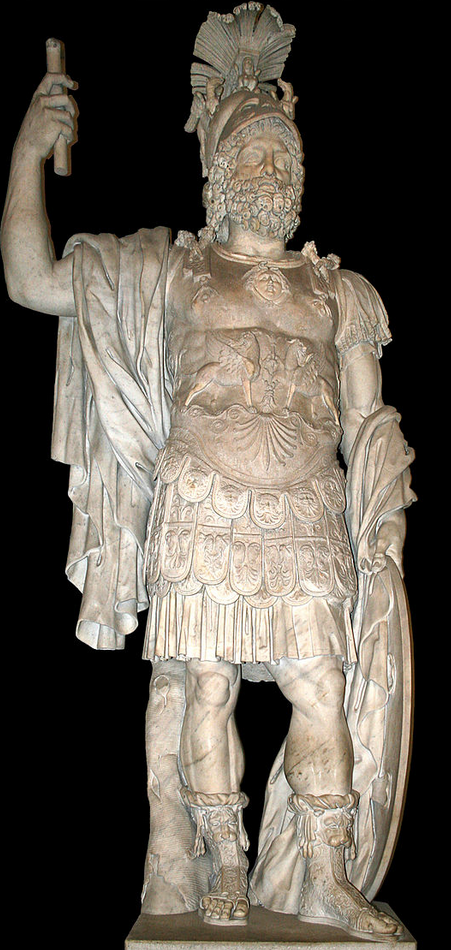
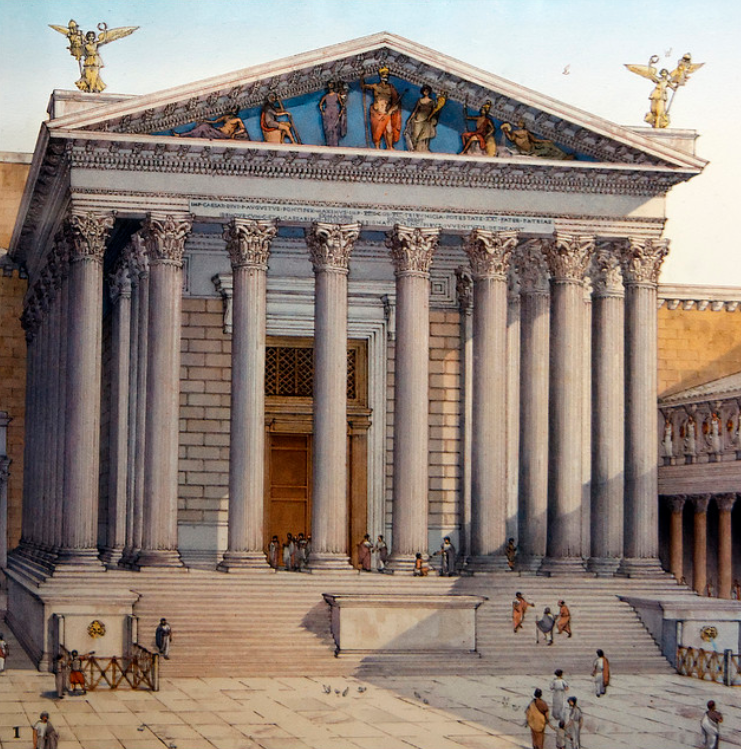
In the 3rd and 4th centuries, there was renewed activity with visits being made to a Romano-Celtic temple that was built on the site. During excavations, a bronze letter ‘A’ was found that some believe belonged to this temple, which was perhaps dedicated to Mars, or some other deity.
However, when it comes to South Cadbury Castle, the period that I am concerned with is the 5th and 6th centuries A.D. This period is known as the ‘Arthurian’ period, and it is at this time, after Rome’s legions have left the island, that the archaeology shows a massive refortification of the hill fort.
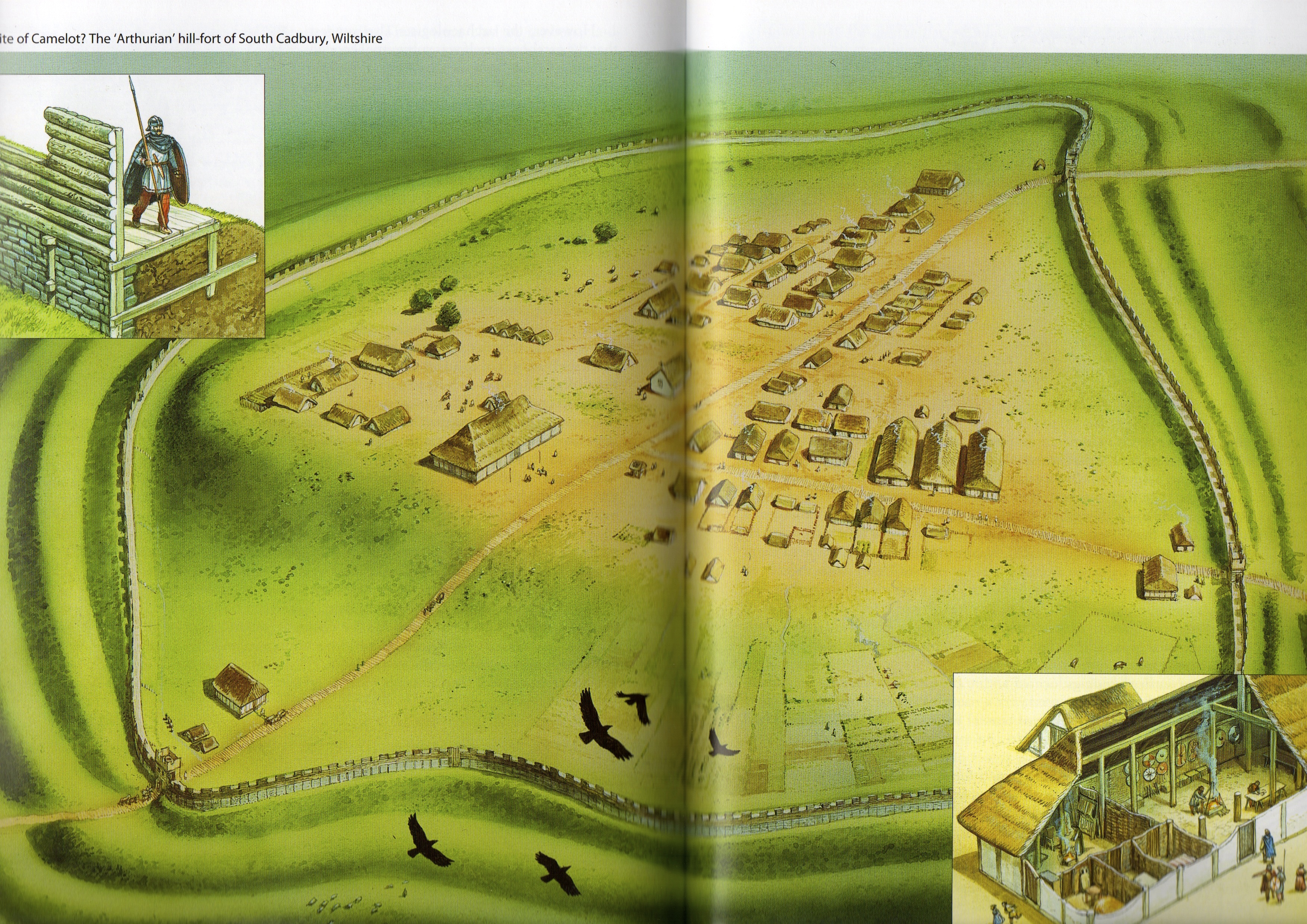
Artist Reconstruction of South Cadbury Hill Fort – Illustrated by Peter Dennis (Source- British Forts in the Age of Arthur)
Though it is much debated, South Cadbury’s association with the Arthurian period stems not just from hearsay and folklore. It has the archaeological evidence to back it up.
There have been a few big excavations of the hill fort over the years, but the biggest of all took place in the late 1960s and was headed by Professor Leslie Alcock. Professor Alcock and his team discovered evidence for a large scale occupation and refortification of the hill fort, during the Arthurian period, which showed repaired defences, including a strong gatehouse at the south-west entrance, and most importantly, several buildings, including a kitchen and a large timber hall on the fort’s high plateau.
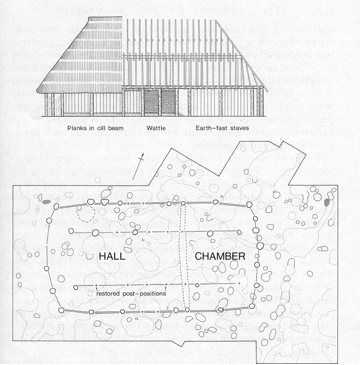
The discovery of post holes reveals a finely-built timber hall that was on a large scale, measuring about 63×34 feet. This hall would not have been the great castle hall of late medieval romance, but rather something like the timber drinking halls of the period, more like to the Golden Hall of Meduseld, the seat of King Theoden in Lord of the Rings.
Another very telling discovery at Cadbury Castle was the large quantity of Mediterranean pottery that dates to the Arthurian period of occupation. This is the same pottery type that was discovered at Tintagel Castle in Cornwall, a site that also has strong Arthurian associations. One might think that shards of pottery from wine, olives and olive oil might be pretty mundane, but they anchor the sites strongly in the period, and also show that someone of importance was associated with the site. Not everyone could afford to import such things through trade.
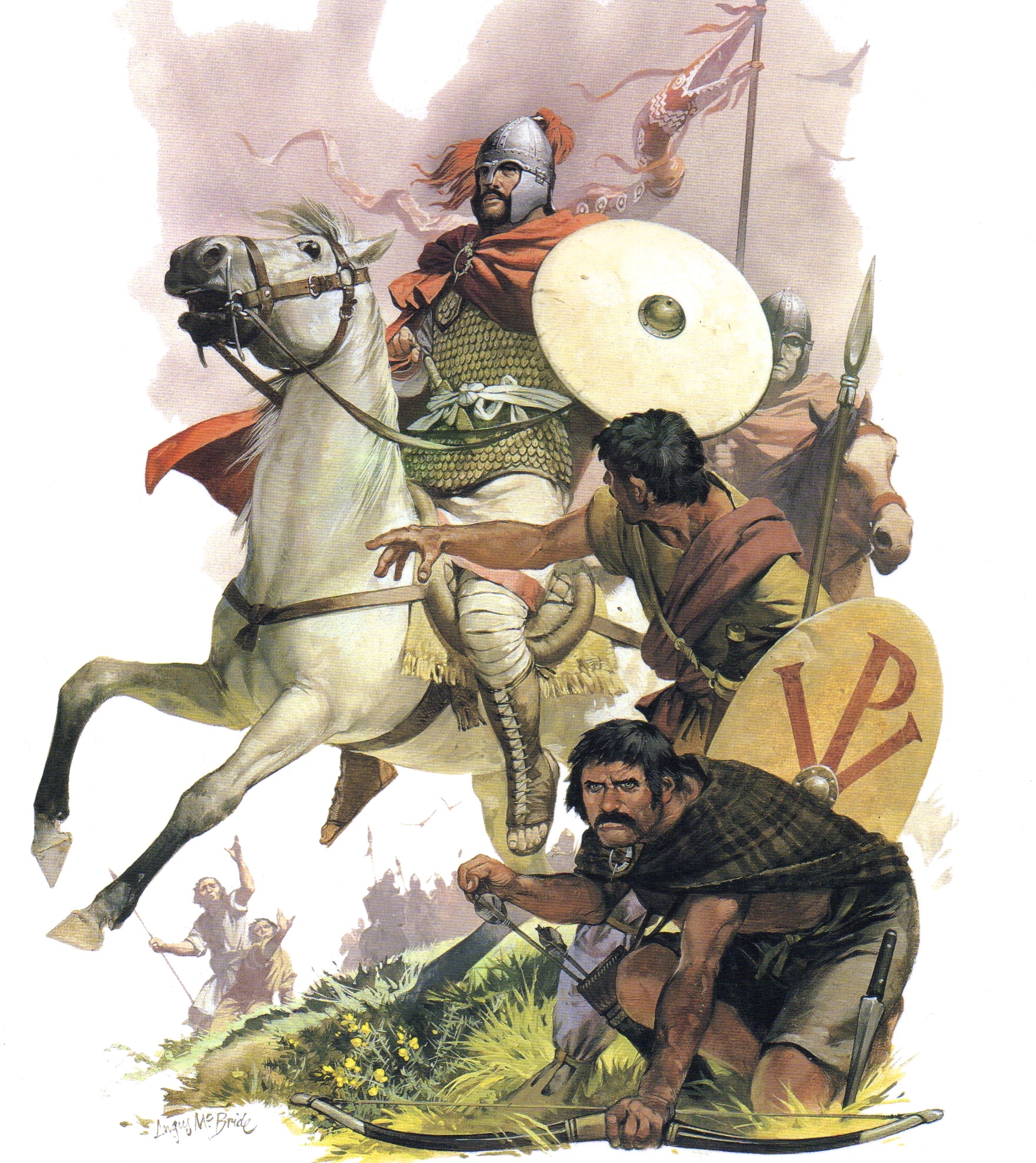
6th Century British Warriors – Illustrated by Agnus McBride (source – Arthur and the Anglo-Saxon Wars)
The refortification of the hill fort during the Arthurian period was on a massive scale, and would have required many resources and men to hold it. South Cadbury castle was, in a way, on the front lines of the British struggle against the invading Saxons, and would have been well-placed to meet the Saxons as they advanced westward.
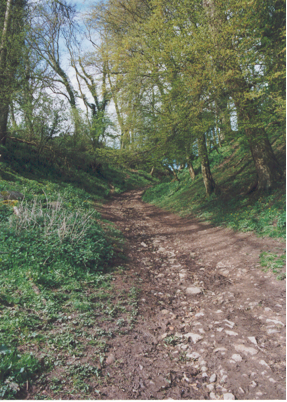
Based on the refortification, and evidence of the gatehouse that linked the ramparts running over the cobbled road at the south-west corner, this place was likely the base for an army that was large by the standards of the period. It may way have been the site of the court of the dux bellorum, or the historical Arthur.
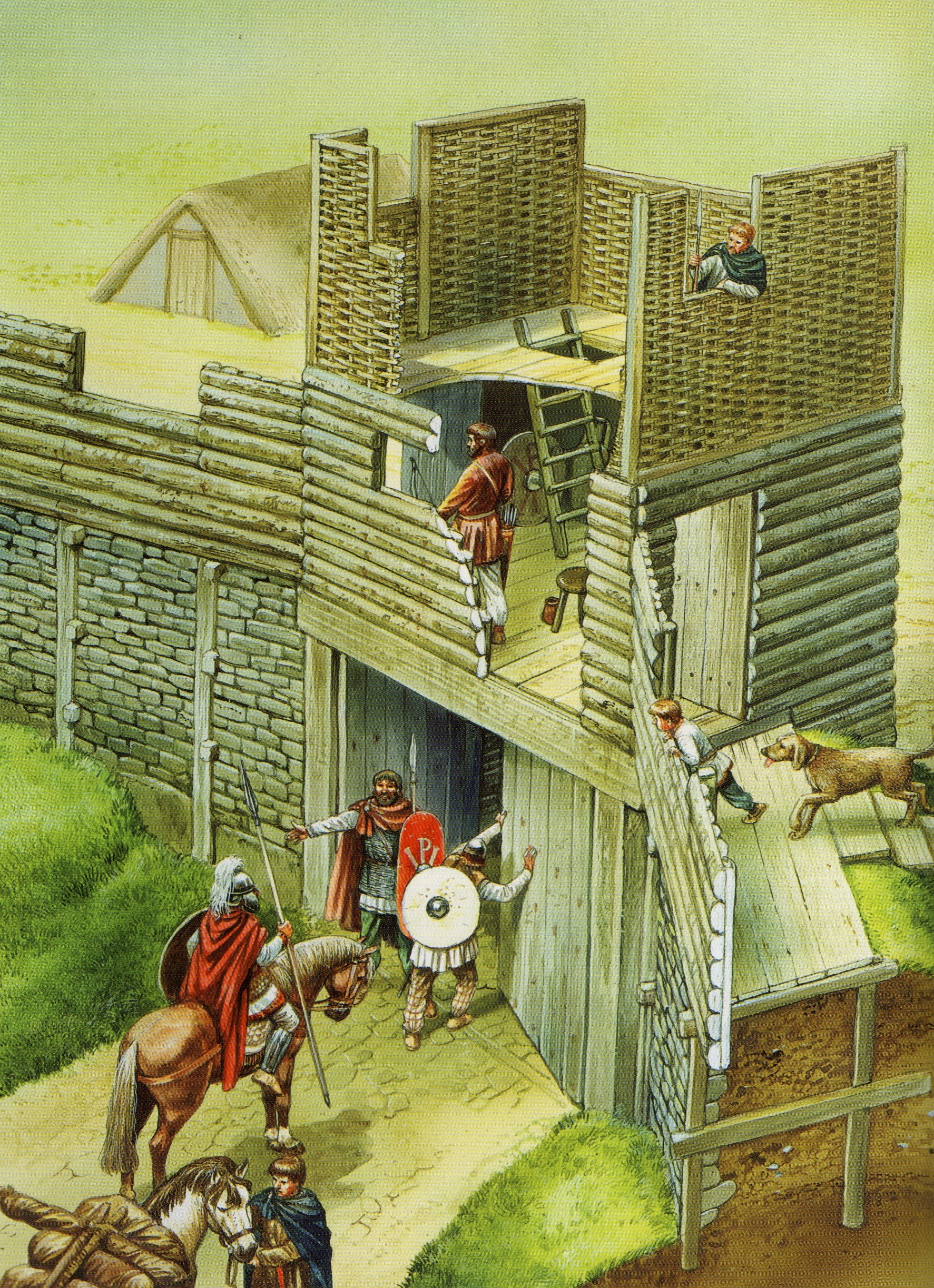
Artist Reconstruction of the South-west gate – Illustrated by Peter Dennis (Source – British Forts in the Age of Arthur)