The World of The Hearts of Heroes – Part III – Feast Days: Seasonal Celebrations of the Ancient Celts

Welcome back to The World of The Hearts of Heroes! 

We hope that you’ve enjoyed this blog series so far. If you missed Part II on the Romano British civitas of Viroconium Cornoviorum, you can read that by CLICKING HERE.

In Part III, we’re going to take a look at the seasonal celebrations of one the most important, fascinating, and culturally rich groups in ancient Europe and the British Isles: the Celts.

As we shall see, many pagan Celtic traditions survived the coming of Rome and the subsequent conversion to Christianity. We’ll discuss classical writers’ views of the Celts, explore Celtic myth, and look at the four great festivals that continue to be celebrated to this day.

Artist impression of Celtic peoples of Europe and Britain – by Albert Kretschmer, painters and costumer to the Royal Court Theatre, Berin, and Dr. Carl Rohrbach. – Costumes of All Nations (1882)

The history and archaeology of the cultural group we call the ‘Celts’ has always been fascinating to me, not least because of its wonderful mythology, but also because of the role it plays in Arthurian legend and literature. As the Eagles and Dragons series has progressed, many fans have noted the breadcrumbs of Celtic and Arthurian images and themes emerging in the world of the Roman Empire that has dominated the series to this point.

In The Hearts of Heroes, Greco-Roman and Celtic religious beliefs have always played a large role in the story and, in this latest novel, some of the key moments take place during the important festivals of Beltane and Samhain.

There were, in fact, four major seasonal festivals celebrated by the ancient Celts, especially in the British Isles. These were Imbolc, Beltane, Lughnasadh, and Samhain.

What were these ancient festivals? What did the Celts do at that time of year, and how did they celebrate? We’ll take brief look at each of them in turn.
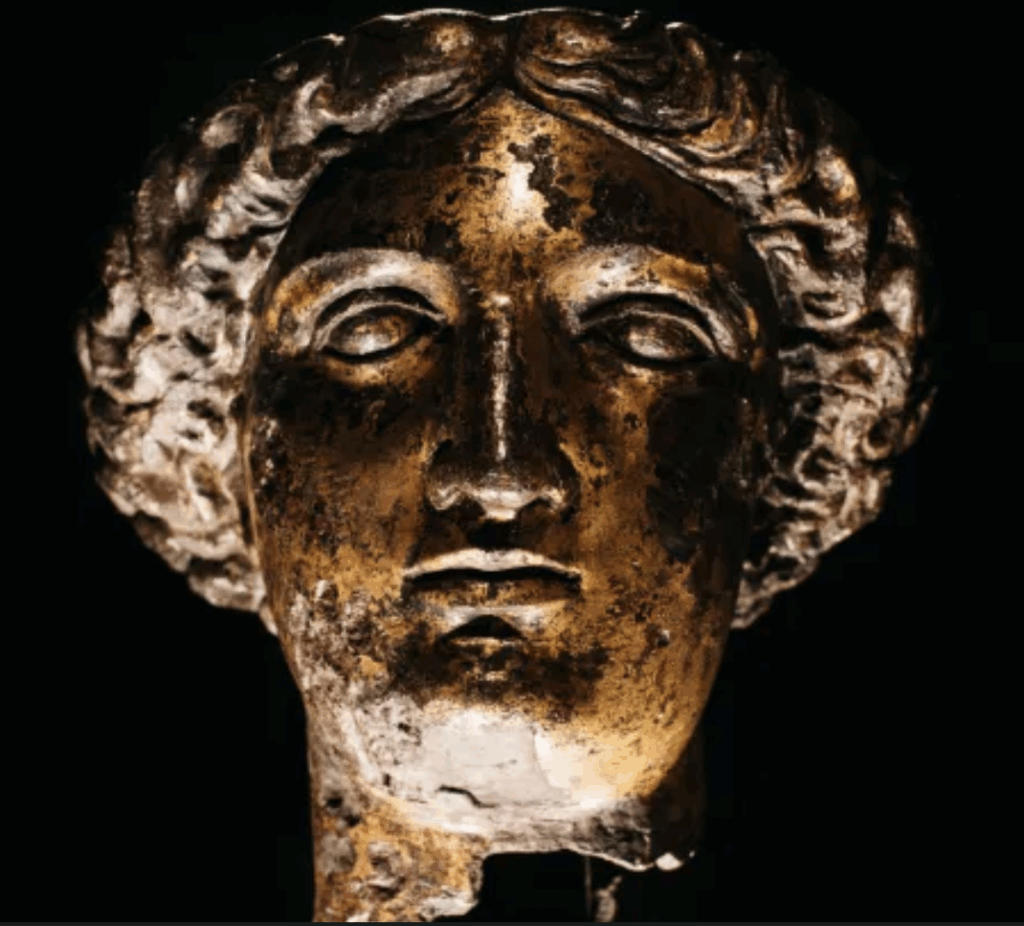
Gilt bronze head of Sulis Minerva from Bath. The Romano-British Goddess that combined Minerva with Sulis, Celtic Goddess of Wisdom and Decisions

Before we dive into the specifics of the festivals themselves, let’s discuss the ‘Celts’. Who were they? What set them apart, and how did so much of their culture survive?

‘Celts’, very simply put, is actually a broad term given to the ancient peoples of pagan beliefs in Europe and the British Isles from about 700 B.C. to A.D. 400. They thrived in much of Europe north of the Alps, but also moved south to the Mediterranean, sacking Rome in 387 B.C. and plundering the sanctuary of Delphi in 279 B.C. As Rome pushed back against the migrating Celts, defeating them heavily in Gaul, the last strongholds for these peoples became what we know today as Wales, Scotland, and Ireland, as well as Cornwall and Brittany.

As Rome’s legions conquered Britannia, however, Celtic culture and religion were not completely snuffed out. In fact, a unique Romano-British culture emerged that was an amalgam of the two sides, and it thrived once the Pax Romana had settled over Britannia.
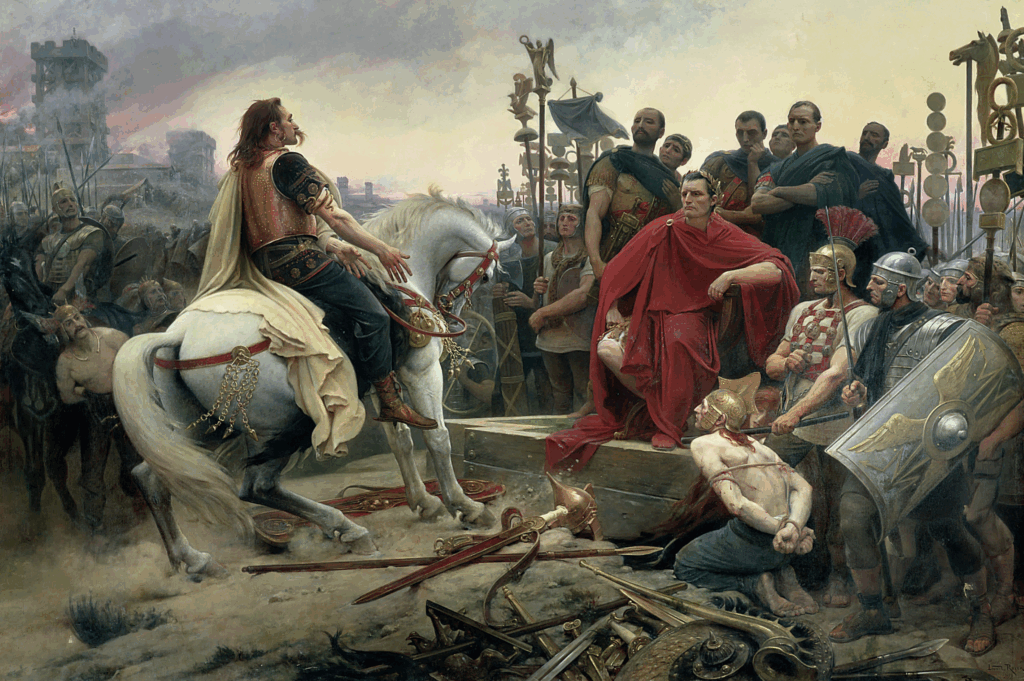
Vercingetorix Throws Down his Arms at the Feet of Julius Caesar (Lionel Royer 1899)

The nation of all the Gauls is extremely devoted to superstitious rites; and on that account they who are troubled with unusually severe diseases, and they who are engaged in battles and dangers, either sacrifice men as victims, or vow that they will sacrifice them, and employ the Druids as the performers of those sacrifices; because they think that unless the life of a man be offered for the life of a man, the mind of the immortal gods can not be rendered propitious, and they have sacrifices of that kind ordained for national purposes. Others have figures of vast size, the limbs of which formed of osiers they fill with living men, which being set on fire, the men perish enveloped in the flames. They consider that the oblation of such as have been taken in theft, or in robbery, or any other offence, is more acceptable to the immortal gods; but when a supply of that class is wanting, they have recourse to the oblation of even the innocent.

(Gaius Julius Caesar, The Gallic War, Book VI, 16)

Much of what we know about the Celts comes from classical writers such as Julius Caesar (above), or references by such ancient Greek authors as Herodotus and Hecataeus of Miletus, or later Roman authors like Strabo, Diodorus Siculus, Lucan, and Cassius Dio. Some of these authors wrote about the customs and religion of the ancient Celts, but admittedly, it was more often from their point of view as a more ‘civilized’ society. Though there is still much to be gleaned from these texts, it is important to keep in mind that, as in the case of Caesar’s memoir of the conquest of Gaul, he may have sensationalized the Celtic people, the Druids, and their barbarian rituals to enhance his own actions and achievements.

History is often written by the victors, after all.

That said, classical authors are not our only source for knowledge about the Celts, not even remotely. Archaeology and material culture have been a wealth of knowledge for us, as have the rich linguistic legacies Celtic language and literature. It is the literature of early Medieval Wales and Ireland that is, perhaps, one of the greatest sources of our knowledge about the Celts, their society, religion, and mythology.

The combination of all of these sources help to point a rather vivid picture of the Celts and their beliefs, including shared themes of water rituals, head-hunting, otherworldly feasting, the religious significance of cauldrons, the sanctity of the number ‘3’ and more.
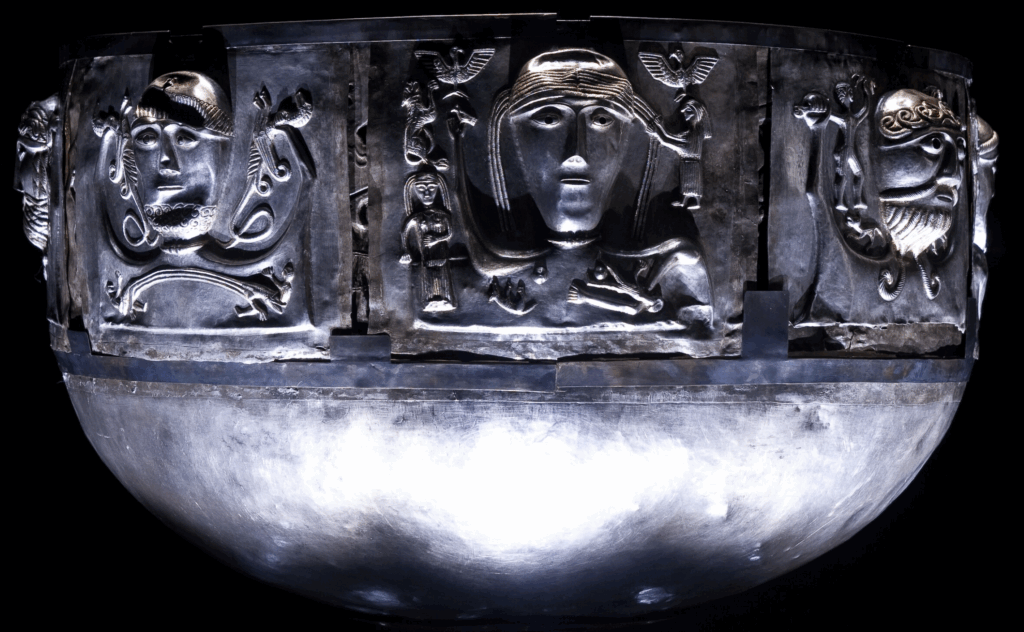
The Gundestrup cauldron is a silver vessel dated from between 200 BC and 300 AD. it’s the largest known example of European Iron Age silver work. Now in the National Museum of Denmark in Copenhagen.

When it came to religious beliefs, one might think that Christianity would have wiped out all traces of pagan Celtic beliefs.

But that is not so.

While Celtic beliefs seem to have melded nicely, post-conquest, with those of their Roman conquerors (the Goddess Epona is a perfect example of this), the subsequent Christianization of the Celts appears to have also been something of a smooth transition with Celtic monks copying and Christianizing ancient pagan tales such as the Táin Bó Cúailnge and four branches of The Mabinogi. Celtic gods also survived by donning the robes of Christian Saints.

The religion of the pagan Celtic world survived not only in the literature that was passed on, but also in the seasonal festivals of the Celts that continue to be celebrated to this day. It is through these seasonal festivals that we can glimpse the beliefs and rituals of an ancient pagan, Celtic past.
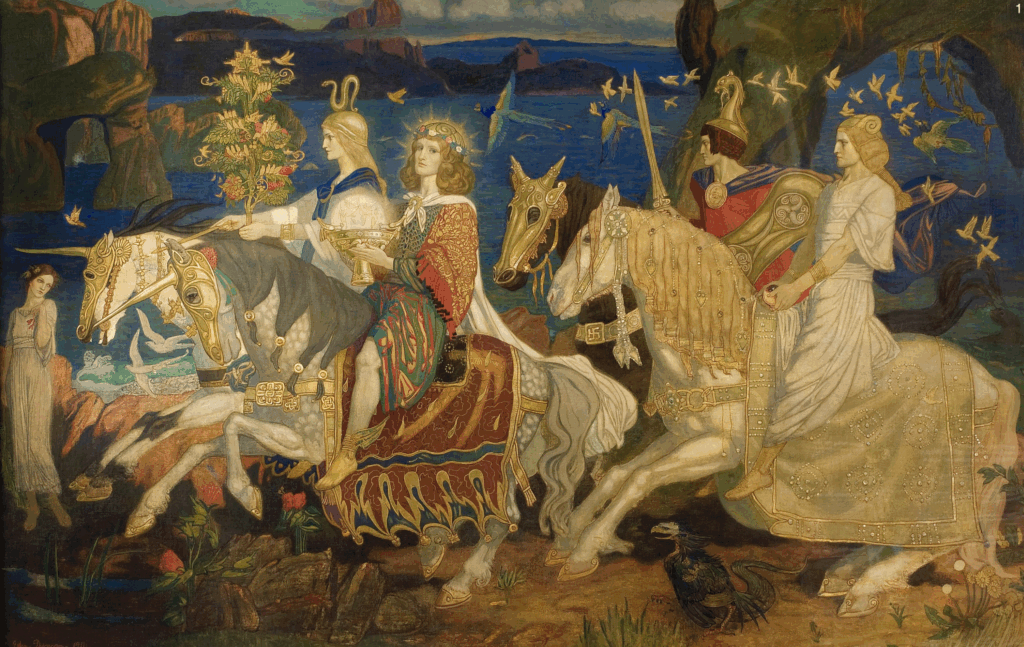
The Tuatha Dé Danann as depicted in John Duncan’s Riders of the Sidhe (1911)

All over Europe the peasants have been accustomed from time immemorial to kindle bonfires or certain days of the year, and to dance round or leap over them. Customs of this kind can be traced back on historical evidence to the Middle Ages, and their analogy to similar customs observed in antiquity goes with strong internal evidence to prove that their origin must be sought in a period long before the spread of Christianity…

…The seasons of the year when these bonfires are most commonly lit are spring and midsummer; but in some places they are kindled also at the end of autumn or during the course of the winter…

(Sir James Frazer, The Golden Bough, LXII)

Water and fire were both important aspects of the seasonal festivals of the Celts. Sir James Frazer was correct in highlighting the importance of fire in festivals. Fire was equated with the sun and was its terrestrial element symbolizing warmth and illumination, venerated for its purifying and cleansing qualities.

Like the Greeks and Romans, there were many festivals throughout the year for the Celts. The difference however was that Celtic religion, though honouring the gods, also honoured nature and the cycles of nature, perhaps in a more fulsome way that the Greeks and Romans.

The four main seasonal festivals of the Celts (Imbolc, Beltane, Lughnasadh, and Samhain), what we know about them, and how they are celebrated to this day, illustrate this…
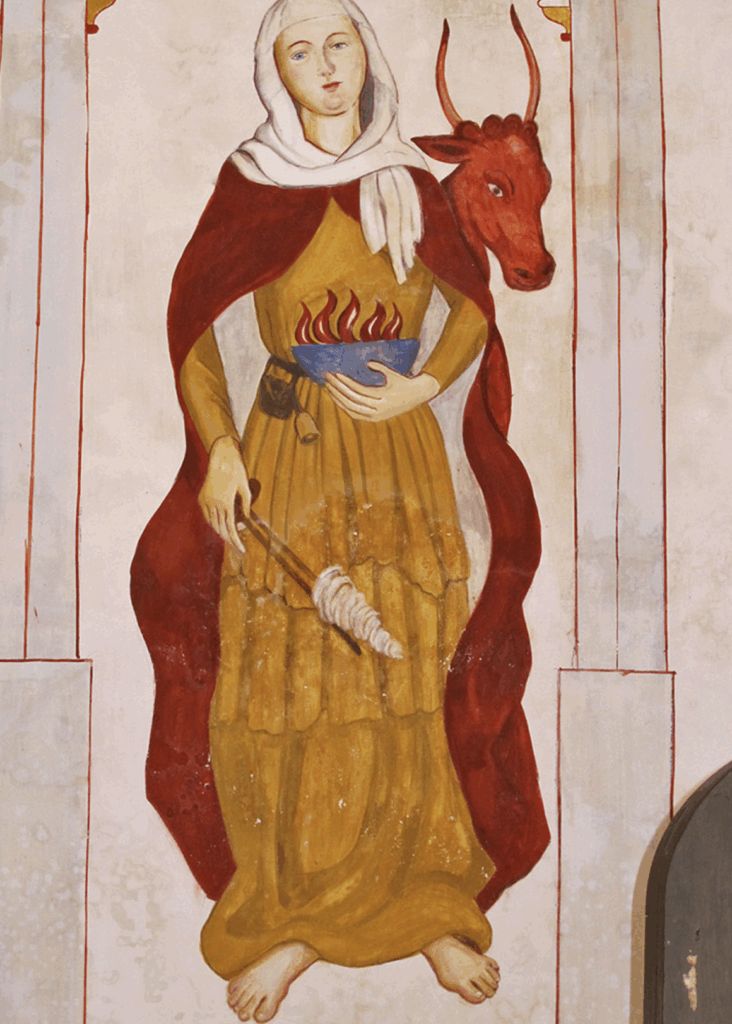
Painting of Saint Brigid with a bowl of fire, a spindle, and a cow in St. Patrick’s Chapel, Glastonbury Abbey.

IMBOLC

The ancient festival of Imbolc was held on February 1st of ever year. It marked the beginning of Spring and was associated with the lambing season.

After a long winter during which food stores were depleted, the lambing season did not only symbolize brith and fertility in the springtime. It also meant the arrival of fresh milk after the winter shortage.

In addition to being a festival of renewal and rebirth, Imbolc was also a purification festival, similar to Lupercalia in Ancient Rome.

This Celtic festival appears to have been celebrated mostly in Ireland, though it was also celebrated in Scotland, and other areas. And some tombs across the land, such as the Mound of Hostages at Tara in Ireland are aligned to be illuminated by the sunrise on the morning of Imbolc.

The strongest association of this festival was with the Irish Goddess Brigid who, in myth, was one of the Tuatha De Danann, the supernatural race who are descended from the Goddess Danu in Irish mythology.

Brigid is one of those special figures from Irish myth who survived the Christianization of the land and culture. The Goddess Brigid joined with St. Brigid of Kildare, the mother saint of Ireland who founded the Abbey of Kildare in around A.D. 480.

The festival of Imbolc on Feburary 1st thus became the feast day of St. Brigid.
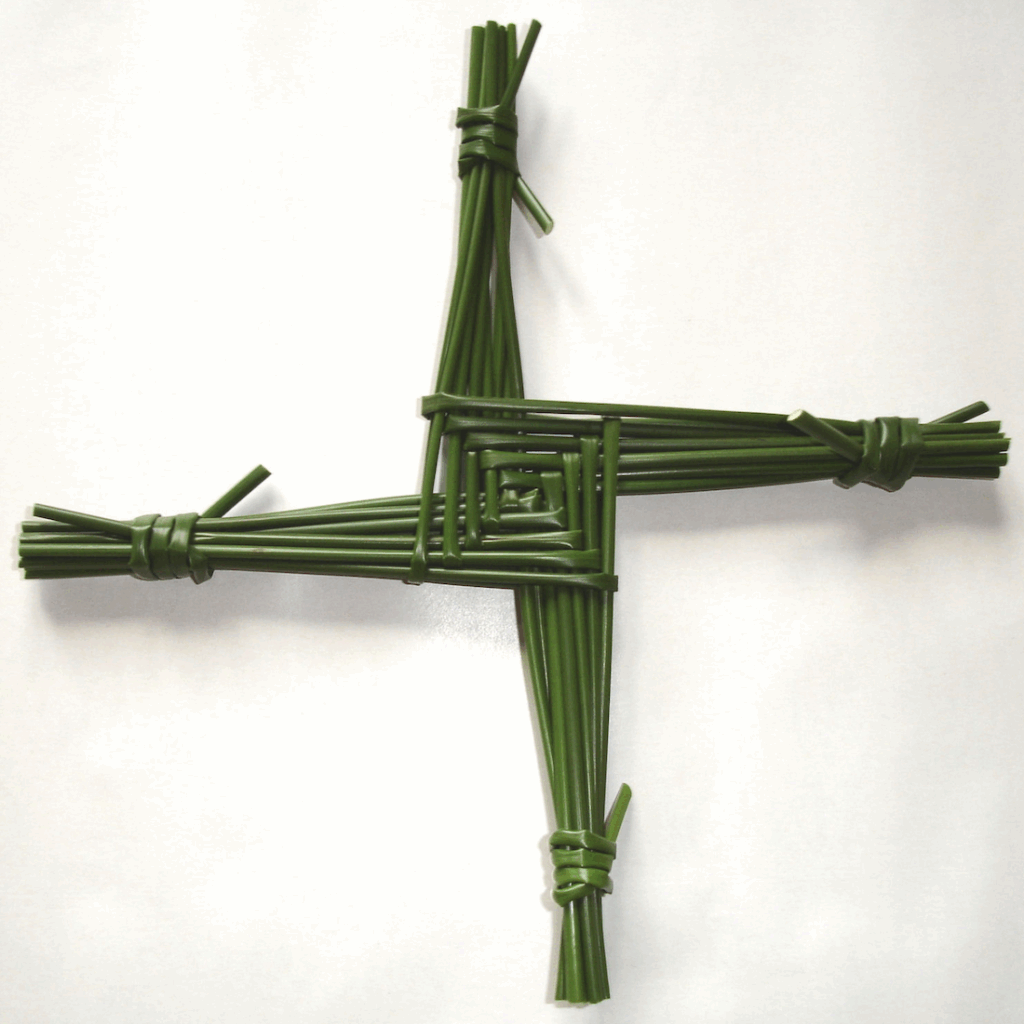
Saint Brigid’s cross, made from rushes from County Down. (Wikimedia Commons)

During the festival of Imbolc, there were certain traditions that took place, including visits to holy wells, eating special meats, holding feasts and, it is also supposed, the ritual washing of the hands, feet, and head.

The most iconic symbol of this day has become the Brigid cross which symbolized her early medieval role as the Abbess of Kildare. At Imbolc, people would weave Brigid crosses which were equilateral crosses made with rushes that were then hung above doors and windows for protection. Some traditions also saw people making a bed for Brigid in their homes on the eve of Imbolc, leaving her food and drink as well.
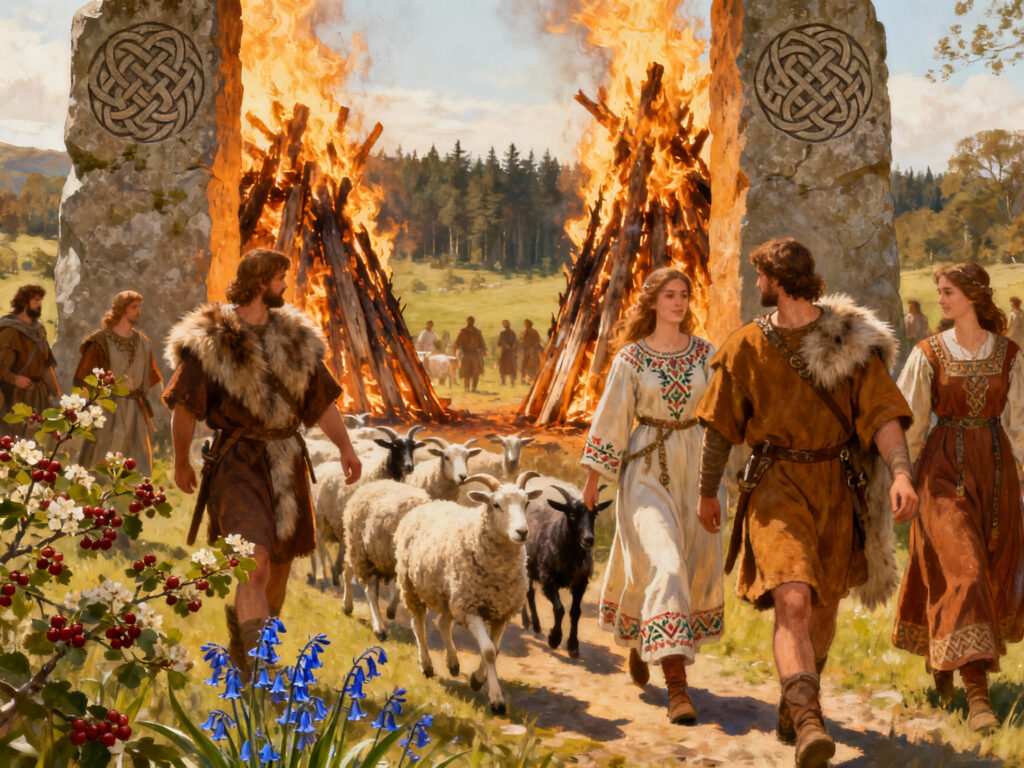
Artistic impression of men, women and livestock passing between sacred bonfires at Beltane.

BELTANE

In the Central Highlands of Scotland bonfires, known as the Beltane fires, were formerly kindled with great ceremony on the first of May, and the traces of human sacrifices at them were particularly clean and unequivocal. The custom of lighting the bonfires lasted in various places far into the eighteenth century…

…Like the other public worship of the Druids, the Beltane feast seems to have been performed on hills or eminences. They thought it degrading to him whose temple is the universe, to suppose that he would dwell in any house made with hands. Their sacrifices were therefore offered in the open air…where they were presented with the grandest views of nature, and were nearest the seat of warmth and order…

…After kindling the bonfire with the tein-eigin [a ‘need fire’ started by friction] the company prepared their victuals. And as soon as they had finished their meal, they amused themselves a while in singing and dancing round the fire.

(Sir James Frazer, The Golden Bough, LXII)

May 1st, or ‘May Day’, marked the beginning of the summer season, and Beltane was the Celtic fire festival that celebrated this.

This festival celebrated the leading of the herds to their summer pastures and included rituals to protect and purify people and cattle by having them pass between sacred bonfires. The ashes from these fires were then gathered and spread over crops for protection, but also to encourage growth.

Feasting and drinking and visits to holy wells were also a big part of Beltane celebrations, as were sacred flowers such as hawthorn, primrose, rowan, gorse, hazel, and marsh marigold. Flowers were placed over doorways, on animals, and on food for protection, so as not to be stolen by the fairy folk.
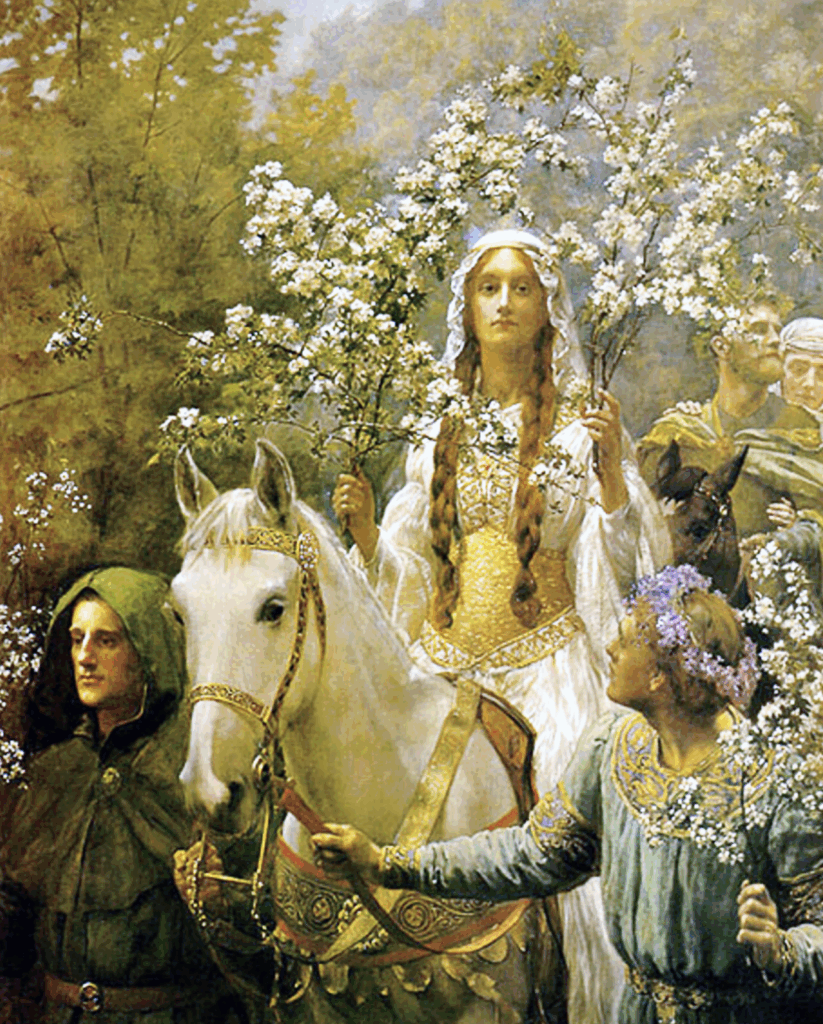
Queen Guinevere’s Maying, by John Collier

In addition to being a springtime festival of fertility and fire, Beltane was a liminal festival like Samhain, when the veil between the world and the spirit world was thinnest.

Into the modern era, a May Queen and Green Man were appointed during the festivities, and May Poles decorated with flowers and ribbons – a supposed symbol of fertility – were erected and danced around by young men and women crowned with flowers.
LUGHNASADH

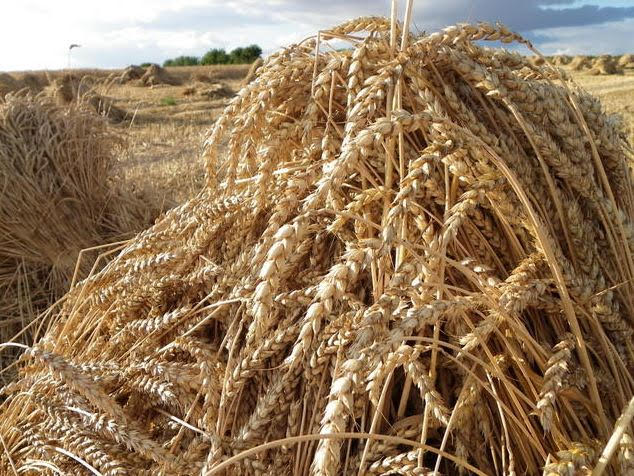
The festival of Lughnasadh, which began on August 1st, was a sacred festival to mark the beginning of the harvest season. It took place half way between the Summer Solstice and the Autumn Equinox.

Lughnasadh, also know as Gwyl Awst in Welsh, was named after the Celtic God, Lugh, a member of the Tuatha De Danann, who was a king and master craftsmen who is associated with oaths, truth, and law or rightful kingship.

In Celtic myth, Lugh founded the festival as funeral games for a goddess – perhaps the Goddess Tailtin – who died after clearing Ireland’s plains for agriculture.

The myth and festival commemorate a sort of mourning or ‘wake’ for the end of Summer. There are parallels to the Persephone myth here, in addition the Romans’ association of Lugh with the God Mercury.

They [the Celts] worship as their divinity, Mercury in particular, and have many images of him, and regard him as the inventor of all arts, they consider him the guide of their journeys and marches, and believe him to have great influence over the acquisition of gain and mercantile transactions.

(Gaius Julius Caesar, The Gallic War, Book VI, 17)
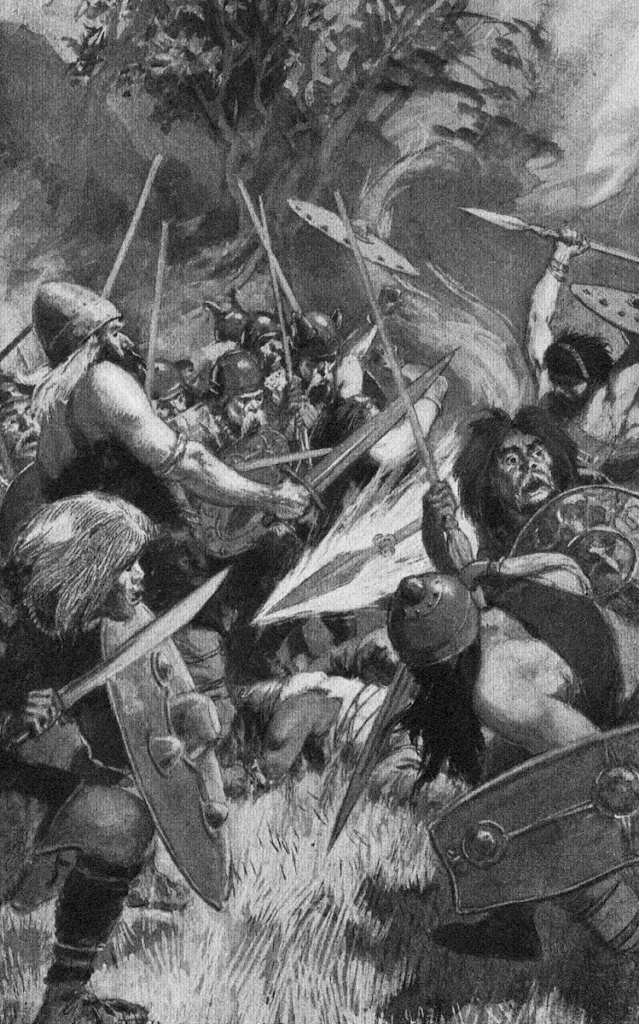
Illustration of Lugh’s magic spear by Harold Robert Millar

In Irish myth, Lugh is the father of the hero, Cuchulainn, in the Táin Bó Cúailnge. When his son is wounded in battle, Lugh appears to help heal him:

“A single man here cometh towards us now,” cried Laeg. “But what manner of man is he?” Cuchulainn asked. “Not hard to say,” Laeg made answer. “A great, well-favoured man, then. Broad, close-shorn hair upon him, and yellow and curly his back hair. A green mantle wrapped around him. A brooch of white silver in the mantle over his breast. A kirtle of silk fit for a king, with red interweaving of ruddy gold he wears trussed up on his fair skin and reaching down to his knees. A great one-edged sword in his hand. A black shield with hard rim of silvered bronze thereon. A five-barbed spear in his hand. A pronged bye-spear beside it. Marvellous, in sooth, the feats and the sport and the play that he makes. But him no one heeds, nor gives he heed to any one. No one shows him courtesy nor does he show courtesy to any one, like as if none saw him in the camp of the four grand provinces of Erin.” “In sooth, O fosterling,” answered Cuchulainn, “it is one of my friends of fairy kin that comes to take pity upon me, because they know the great distress wherein I am now all alone against the four grand provinces of Erin on the Plunder of the Kine of Cuailnge, killing a man on the ford each day and fifty each night, for the men of Erin grant me not fair fight nor the terms of single combat from noon of each day.”

Now in this, Cuchulainn spoke truth. When the young warrior was come up to Cuchulainn he bespoke him and condoled with him or the greatness of his toil and the length of time he had passed without sleep.”This is brave of thee, O Cuchulainn,” quoth he. “It is not much, at all,” replied Cuchulainn. “But I will bring thee help,” said the young warrior. “Who then art thou?” asked Cuchulainn. “Thy father from Faery am I, even Lug son of Ethliu.” “Yea, heavy are the bloody wounds upon me; let thy healing be speedy.” “Sleep then awhile, O Cuchulainn,” said the young warrior, “thy heavy fit of sleep by Ferta in Lerga till the end of three days and three nights and I will oppose the hosts during that time.” He examined each wound so that it became clean. Then he sang him the ‘men’s low strain’ till Cuchulainn fell asleep withal. It was then Lug recited the Spell-chant of Lug.

Accordingly Cuchulainn slept his heavy fit of sleep at ‘the Gravemound on the Slopes’ till the end of three days and three nights. And well he might sleep. Yet as great as was his sleep, even so great was his weariness. For from the Monday before Samhain even to the Wednesday after Spring-beginning, Cuchulainn slept not for all that space, except for a brief snatch after mid-day, leaning against his spear, and his head on his fist, and his fist clasping his spear, and his spear on his knee, but hewing and cutting, slaying and destroying four of the five grand provinces of Erin during that time.

Then it was that the warrior from Faery [Lugh] laid plants from the fairy-rath and healing herbs and put a healing charm into the cuts and stabs, into the sores and gaping wounds of Cuchulainn, so that Cuchulainn recovered during his sleep without ever perceiving it.

(Táin Bó Cúailnge, trans. Joseph Dunn)
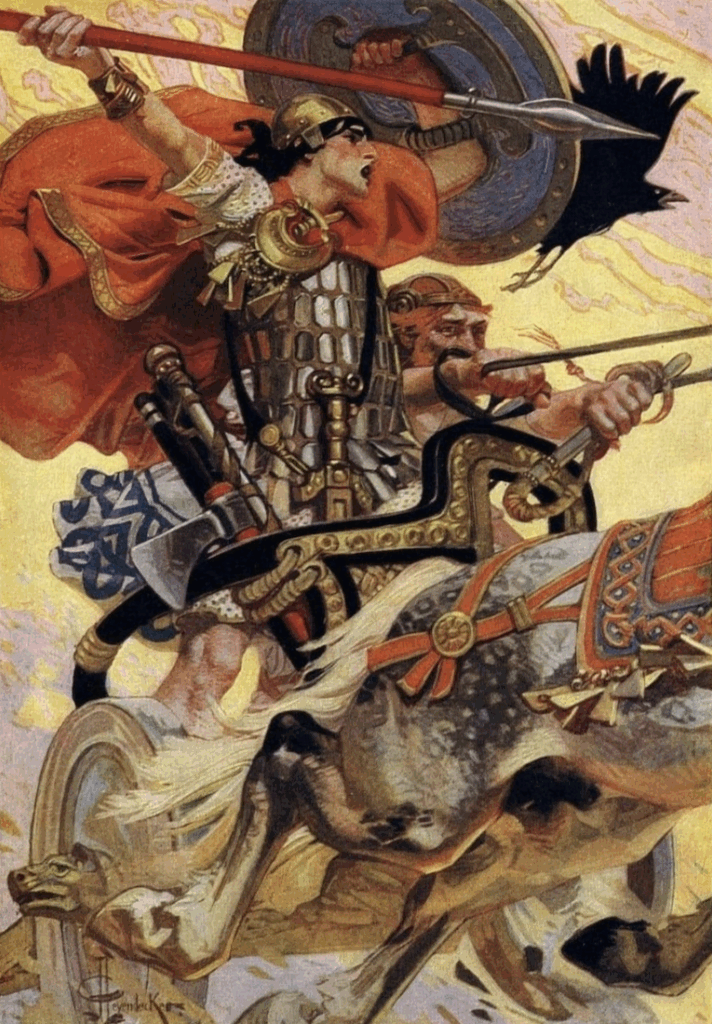
“Cuchulain in Battle”, illustration by J. C. Leyendecker in T. W. Rolleston’s Myths & Legends of the Celtic Race, 1911

There were many rituals involved in the festivities of Lughnasadh. These included a feast, the sacrifice of a bull, ritual dances, visits to holy wells, and the offering of ‘first fruits’ to the gods, especially bilberries.

With its possible origins as funeral games founded by Lugh, the festivities, especially in the Middle Ages, also involved athletic competitions, horse racing, mock battles with sticks, music and storytelling, trading, dispute settlement, and even match-making. A truce was also declared during the time of Lughnasadh.
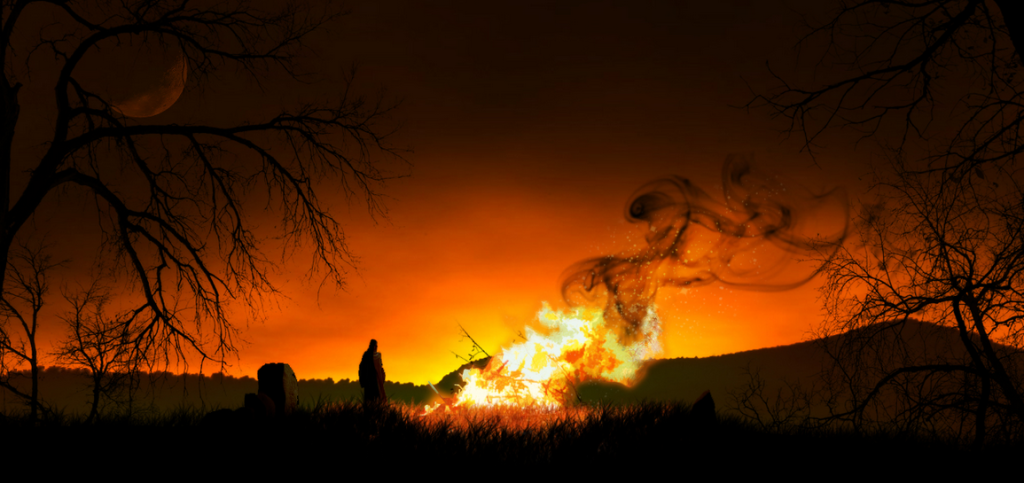
SAMHAIN

…it remains to give some account of the corresponding festival of Hallowe’en [Samhain], which announced the arrival of winter.

Of the two feasts [Beltane and Samhain] Hallowe’en was perhaps of old the more important, since the Celts would seem to have dated the beginning of the year from it rather than from Beltane…

…Another circumstance of great moment which points to the same conclusion is the association of the dead with Hallowe’en. Not only among the Celts but throughout Europe, Hallowe’en, the night which marks the transition from autumn to winter, seems to have been of old the time of year when the souls of the departed were supposed to revisit their old homes in order to warm themselves by the fire and to comfort themselves with the good cheer provided for them in the kitchen or the parlour by their affectionate kinsfolk…

…But it is not only the souls of the departed who are supposed to be hovering unseen on the day “when autumn to winter resigns the pale year.” Witches then speed on their errands of mischief, some sweeping through the air on besoms, others galloping along the roads on tabby-cats, which for that evening are turned into coal-black steeds. The fairies too are all let loose, and hobgoblins of every sort roam freely about.

(Sir James Frazer, The Golden Bough, LXII)

The last and perhaps most important of the seasonal Celtic festivals, as implied by Sir James Frazer above, is Samhain, the precursor of our modern Halloween and All Souls Day.
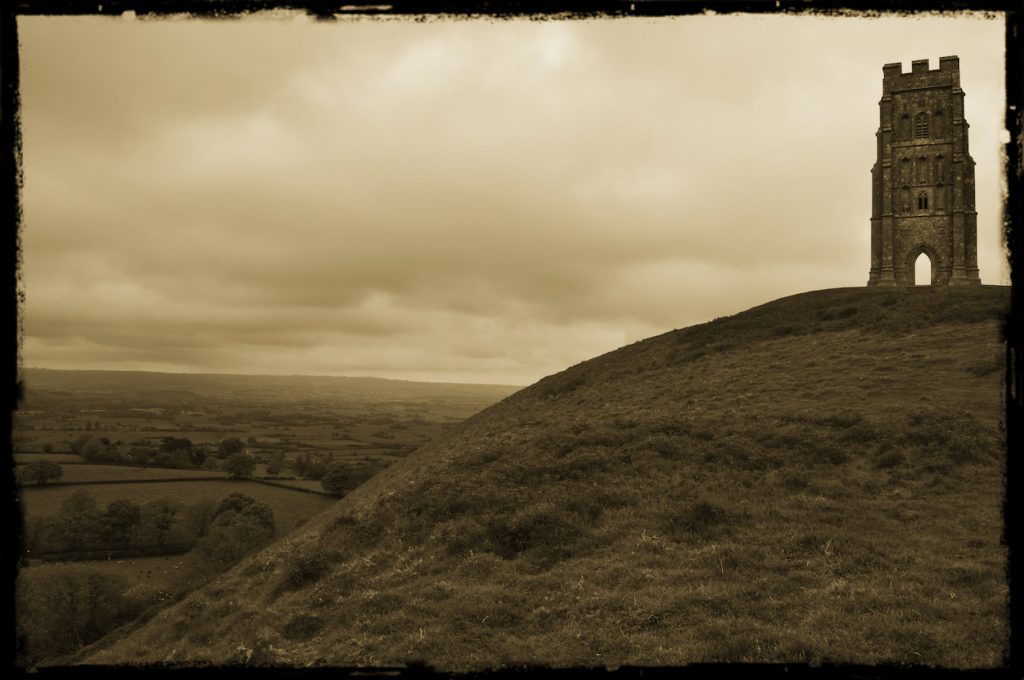
Glastonbury Tor – One of the gateways to Annwn, the Celtic Otherworld

Samhain features large in The Hearts of Heroes as it has in other books in the Eagles and Dragons series. It is the other liminal festival of the Celtic calendar when the veil between worlds is most thin and when, as Frazer points out, the dead come to walk among the living.

Samhain, which took place on October 31st and November 1st, was a time of danger and vulnerability, a boundary time when the old year died and the new year began. It was, scholars believe, the pagan Celtic New Year in ancient times.

It was at Samhain, the official beginning of winter, that the animals, especially cattle, were brought down from their summer pastures, some for slaughter and some for breeding.

Burial mounds were opened and people paid their respects to the dead who were able to come into their world from the Otherworld because the veil was thin. Contact with the Otherworld was common in Celtic religion and, for this reason, bonfires were lit on hilltops for protection and for cleansing.

Spirits and fairies were offered food and drink to ensure the survival of the people and their livestock over the coming winter. Sir James Frazer believed that Samhain and Beltane, especially of the seasonal festivals, where particular to herding communities who practiced ‘transhumance’, the seasonal moving of livestock from summer to winter pastures.

Apples and hazelnuts were important in Samhain celebrations as well. Apples were associated with the Celtic Otherworld and immortality, and apple peels were offered to the fires. Hazelnuts were associated with divine wisdom.

And, of course, mumming and guising were a tradition at Samhain in the early modern period, this tradition being a precursor of putting on costumes at Halloween.

In Ireland, Samhain was the time when the five provinces gathered at Tara for the great assemblies. In the Táin Bó Cúailnge, it was also when the invasion of Ulster began.

Perhaps the strongest pagan association with Samhain related to the dead is the Wild Hunt which was led by Gwyn ap Nudd, the Lord of Annwn, the Celtic Otherworld.
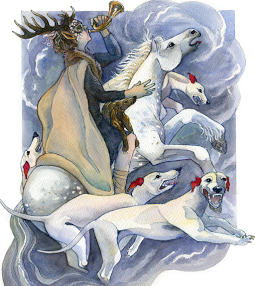
Artist impression of Gwyn ap Nudd hunting with his otherworldly hounds.

Gwyddneu:
For thou hast given me protection;
How warmly wert thou welcomed!
The hero of hosts, from what region thou comest?

[Gwyn ap Nudd is asked which region is he from. Gwyn does not answer directly]

Gwyn ap Nudd:
I come from battle and conflict
With a shield in my hand;
Many is the broken helmet pierced by the spears.

Gwyddneu:

I will address thee, exalted man,
With his shield in distress;
Brave man, what is thy descent?

[Gwyddneu (ruler of the sunken kingdom of Cantre’r Gwaelod) now asks about Gwyn ap Nudd’s family]

Gwyn ap Nudd:
Carngrwn
[Round-hoofed] is my horse, the torment of battle,
Fairy am I called, Gwyn the son of Nudd,
The lover of Creudilad, the daughter of Llud.

Gwyddneu:
Since it is thou, Gwyn, an upright man,
From thee there is no concealing;
I also am Gwydneu Garanhir.

[Gwyn ap Nudd’s horse is becoming impatient and wants to return to Tawë in Annwn]

Gwyn ap Nudd:
He will not leave me in a parley with thee,
By the bridle, as is becoming;
But will hasten away to his home on the Tawë .

It is not the nearest Tawë I speak of to thee,
But the furthest Tawë
Eagle! I will cause the furious sea to ebb.

Polished is my ring, golden my saddle and bright
To my sadness
I saw a conflict before Caer Vandwy.

Before Caer Vandwy a host I saw,
Shields were shattered and ribs broken
Renowned and splendid was he who made the assault.

Gwyddneu:
Gwyn ab Nud, the hope of armies,
Sooner would legions fall before the hoofs
Of thy horses, than broken rushes to the ground.

Gwyn:
Handsome my dog and round-bodied,
And truly the best of dogs;
Dormach was he, which belonged to Maelgwn.

Gwyddneu:
Dormach with the ruddy nose! what a gazer
Thou art upon me! because I notice
Thy wanderings on Gwibir Vynyd.

Gwyn:
I have been in the place where was killed Gwendoleu,
The son of Ceidaw, the pillar of songs,
When the ravens screamed over blood.

I have been in the place where Bran was killed,
The son of Gweryd, of far-extending fame,
When the ravens of the battle-field screamed.

I have been where Llachau was slain,
The son of Arthur, extolled in songs,
When the ravens screamed over blood.

I have been where Meurig was killed,
The son of Carreian, of honourable fame,
When the ravens screamed over flesh.

I have been where Gwallawg was killed,
The son of Goholeth, the accomplished,
The resister of Lloegyr, the son of Lleynawg.

I have been where the soldiers of Prydain

[Britain] were slain,
From the East to the North;
I am alive, they in their graves!

I have been where the soldiers of Prydain

[Britain] were slain,
From the East to the South
I am alive, they in death!

(The Dialogue of Gwyn ap Nudd and Gwyddno Garanhir, The Black Book of Carmarthen XXXIII)
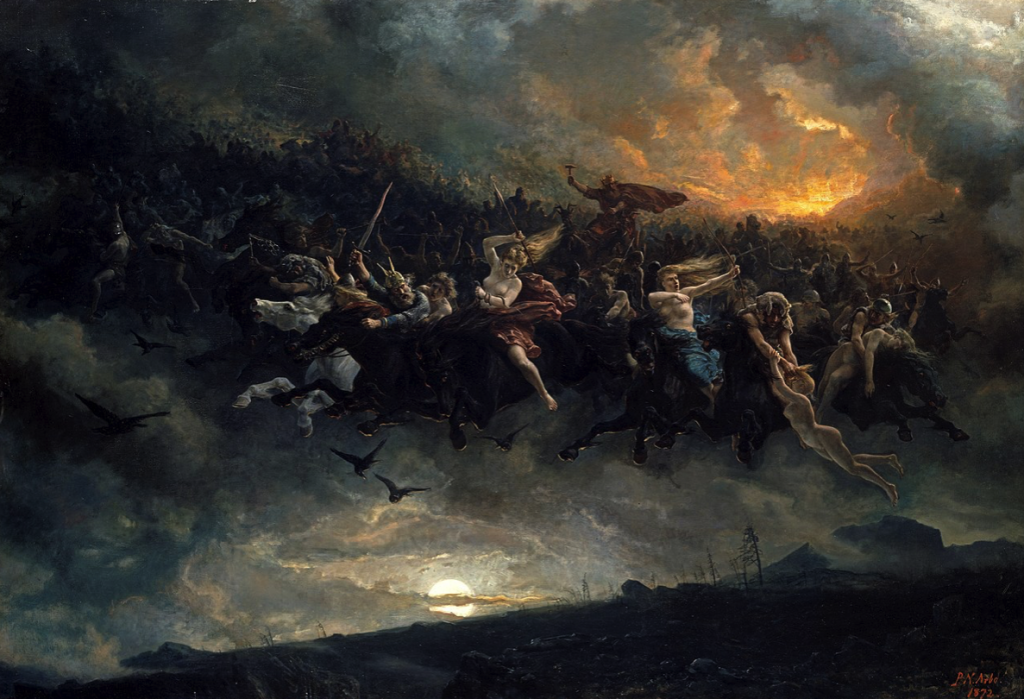
The Wild Hunt (1872) by Peter Nicolai Arbo

Mainly at Samhain, but also at other liminal times of the year, Gwyn ap Nudd, the Lord of Annwn, a sort of ‘King of the Fairies’, rode out on his magical horse with his white, otherworldly hounds with white-tipped ears to lead the dead in the Wild Hunt.

In later traditions, Gwyn ap Nudd was replaced by others, including King Arthur, as leader of the Wild Hunt at Samhain. In the 19th century, there were reports that locals had seen the king’s ghost riding with his hounds at South Cadbury Castle, in Somerset.

For fans of the Eagles and Dragons series, Gwyn ap Nudd, the Lord of Annwn, is a terrifying figure who has appeared before, and will appear again…

Just as our modern New Years is today, Samhain, the New Year’s festival of the ancient Celts, was at once both a sombre and joyous celebration. As a time of great spiritual energy in the world, when gods visited men, shapeshifters and spirits roamed the land, and all manner of supernatural beings crossed the veil between worlds, Samhain was one of the most important times of year on the Celtic calendar. It was a time to honour the gods and the dead, a time of fear, but also a time of gratitude.

Thank you for reading.
We hope you’ve enjoyed this article about the seasonal festivals of the ancient Celts.

Tune in for Part IV in The World of The Hearts of Heroes when we will be visiting one of the settings in the novel, ‘The Fairy Glen’ at Betws-y-Coed on the eastern edge of the ruggedly beautiful region of Snowdonia in Wales.

The Hearts of Heroes: A Novel of the Roman Empire is available ebook, paperback and deluxe hardcover editions from all major online retailers, independent bookstores, brick and mortar chains, and your local public library.

CLICK HERE to buy a copy and get ISBN#s for the edition of your choice.

If you are new to the Eagles and Dragons historical fantasy series, you can start your epic adventure with the award-winning, #1 bestselling prequel, A Dragon among the Eagles.

Facebooktwitterpinterest

The World of The Hearts of Heroes – Part I – Cassius Dio: Chronicler of the Severans

Salvete, Readers and Romanophiles!

Welcome to this first post in our exciting new blog series The World of The Hearts of Heroes! In this seven-part series, we’re going to be taking a look at some of the history, people, and places that appear in, and provide the settings for, this seventh book in the award-winning, #1 bestselling, Eagles and Dragons historical fantasy series set in the Roman Empire.

If you’re a fan of the series, and don’t want any spoilers at all, then you may wish to hold off until you’ve read the book.

However, if you just want to get stuck into the history and research that went into this novel, read on! We hope you enjoy it!

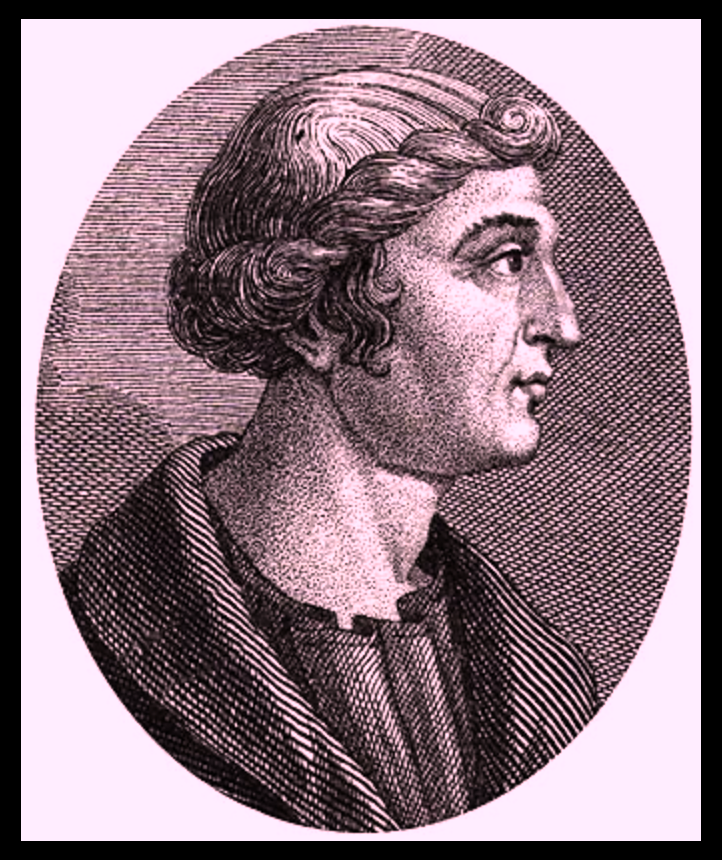
17th Century Illustration of Cassius Dio

It is my desire to write a history of all the memorable achievements of the Romans, as well in time of peace as in war, so that no one, whether Roman or non-Roman, shall look in vain for any of the essential facts.

Although I have read pretty nearly everything about them that has been written by anybody, I have not included it all in my history, but only what I have seen fit to select. I trust, moreover, that if I have used a fine style, so far as the subject matter permitted, no one will on this account question the truthfulness of the narrative, as has happened in the case of some writers; for I have endeavoured to be equally exact in both these respects, so far as possible. I will begin at the point where I have obtained the clearest accounts of what is reported to have taken place in this land which we inhabit.

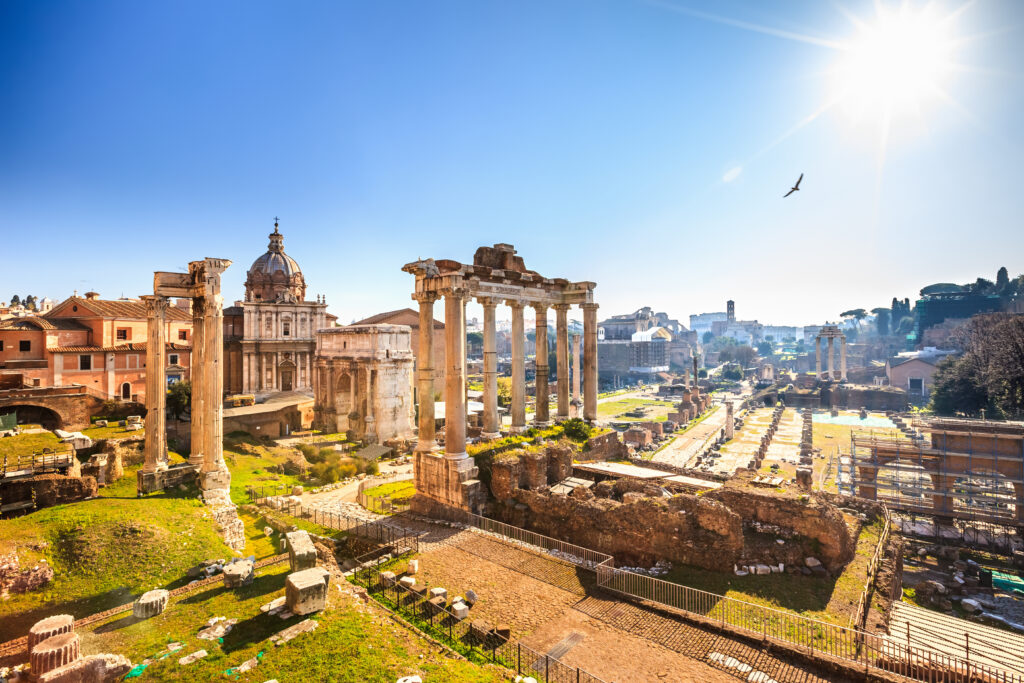
This land in which the city of Rome has been built.

(Cassius Dio; Roman History, Book I)

The quote above is the opening of Cassius Dio’s Roman History, the main source, and only truly contemporary one of the period of the Severan dynasty of Ancient Rome, when the Eagles and Dragons series takes place.

But who was Cassius Dio? How did he gain such a personal perspective of the Severans? Is he a reliable source for the period? How does he fit into our epic Eagles and Dragons saga?

In this article, we will explore all of these questions to try and get at some idea of the man behind the history.

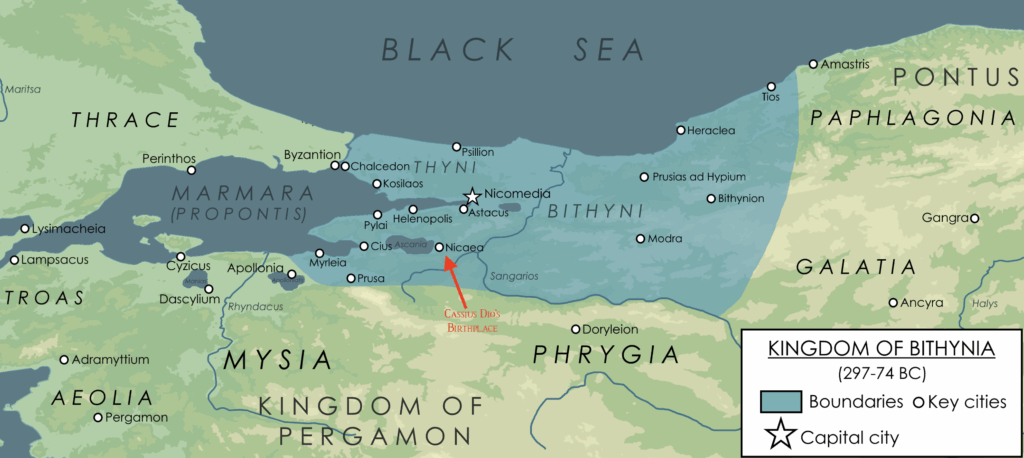
Cassius Dio Cocceianus was born at Nicaea in Bithynia c. A.D. 164 (maybe A.D. 155) to a Roman father and a Greek mother. He was the son of Cassius Apronianus, a Roman senator who was the Governor of Dalmatia and Cilicia under Emperor Marcus Aurelius. Dio was also the grandson of the famous Greek orator, writer, historian and philosopher, Dio Chrysostom (c. A.D. 40-115), after whom he was named.

Growing up the son of a prominent Roman senator, Dio was no stranger to Roman politics. He was with his father when he was Governor of Dalmatia.

After his father died, Dio then went to Rome in about A.D. 180 where he became a senator under Emperor Commodus at about the age of twenty-five. This was the start of a successful political career where he subsequently became a praetor under Pertinax in A.D. 193.

But Cassius Dio really came into his own during the reign of Emperor Septimius Severus (A.D. 193-211), a ruler whom Dio clearly admired. Under Severus, Dio was made Suffect Consul in A.D. 205, and then later became Consul for a second time under Emperor Alexander Severus, the last of the Severan emperors, in A.D. 229.

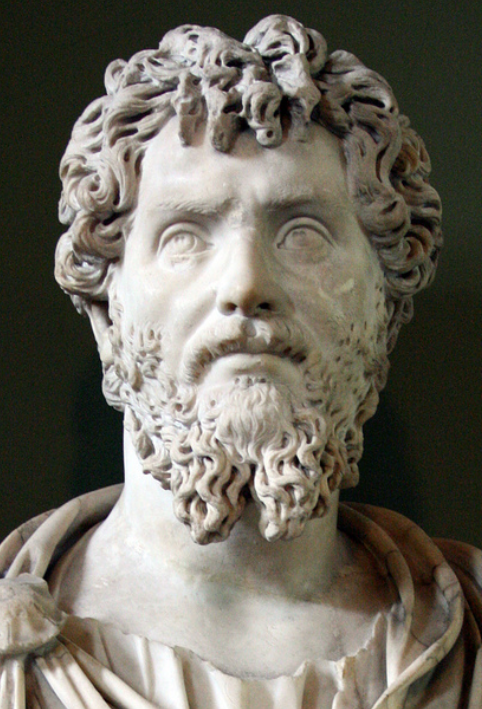
Emperor Septimius Severus

Cassius Dio’s Roman History is vital to our understanding of the events of the late 2nd and early 3rd centuries in Ancient Rome. Not only is his work the main contemporary source for the period, but as one who was close to the imperial court and a first-hand observer of the events that unfolded, from the reign of Commodus and throughout the Severan period, he offers a perspective that is entirely unique.

It is Dio’s first-hand account of the period, as well as his personal observations that, though sometimes in doubt, are unique and have proved invaluable in the creation of the Eagles and Dragons series.

Truthfully, Dio’s history has been crucial to my research throughout the entire series to date. Not only that, he is also a character in some books in the series, truly coming to the fore in The Hearts of Heroes.

Cassius Dio’s Roman History is not the only work which he produced. He also wrote a biography of Arrian, who was a fellow Bithynian, as well as an account of the reign of Emperor Hadrian. Another fascinating work which he wrote was a book about the dreams of Septimius Severus whom we know placed a great deal of stock in astrology and dreams. The Roman History, however, is Dio’s greatest work without which we would actually know very little about the Severans. Herodian, whom I have also used in research for the period, is our only other source, but as he was not as close to the people about whom he was writing, Dio is preferred.

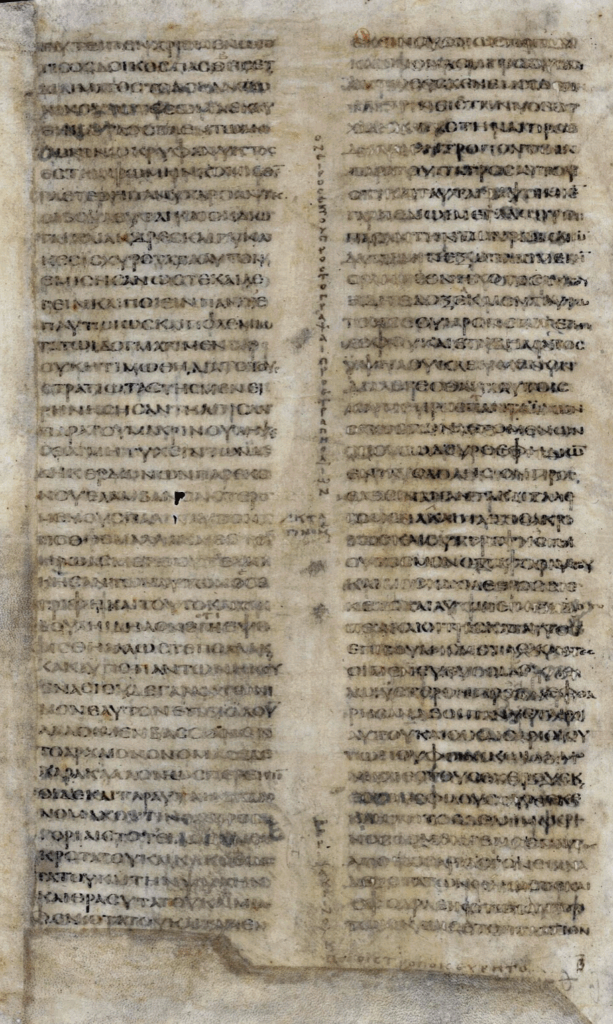
Excerpt of Cassius Dio’s Roman History from a 5th-century manuscript (Wikimedia Commons)

But what about Cassius Dio’s Roman History as a source? What did it cover?

The Roman History is made up of about eighty books which took Dio about twenty-two years to write. Most of the text survives, but other parts are in fragments. Thankfully, more complete text has come down to us by way of an eleventh century epitome (an abridgement or summary) by Xiphilinus, and the twelfth century Epitome of Historical Works by Zonoras, a private secretary of Emperor Alexis I.

In his work, Dio attempts to cover the history of Rome from the landing of Aeneas to his second consulship in A.D. 229, when The Hearts of Heroes takes place. Cassius Dio wrote in Greek, in the Atticist tradition of ancient historians such as Thucydides.

The Roman History, which covers roughly a thousand years, can be divided into three sections: 1) the Republic, 2) the establishment of the Principate (monarchy) until the death of Marcus Aurelius, and 3) the period of Dio’s own life from the ascent of Commodus.

For the periods before his own, it is believed that Dio may have relied heavily upon the works of Livy, but also other historians of Rome such as Pliny the Elder, Tacitus, Caesar’s own commentaries and others. He may also have done more research by delving into the records of Rome, as is evidenced by his naming of minor magistrates.

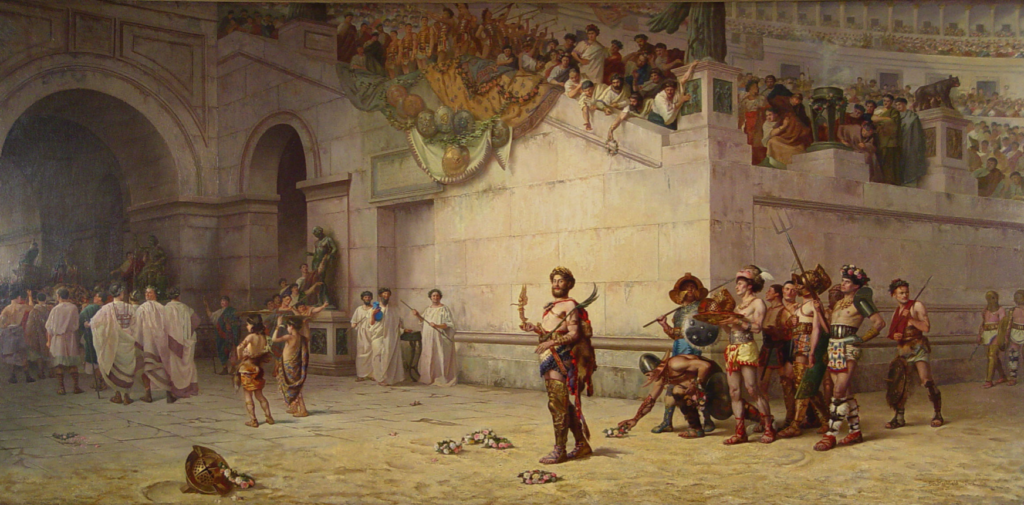
The Emperor Commodus Leaving the Arena at the Head of the Gladiators (by Edwin Howland Blashfield)

For the period covering his own life, there is a sense from Dio of a falling from greatness during Commodus’ reign, leading to hope at the arrival of Septimius Severus. After Severus, there is certainly a returned sense of decline, and this period, from the reign of Caracalla on, could be considered the true beginning of the end of the Roman Empire.

The details of Dio’s own life can be gleaned from casual statements in his history and, when it comes to the period of Rome’s history in which he lived, his observations are based personal experience and not hearsay. He knew most of the people about whom he was writing, and that is what makes his work such a valuable source from the reign of Commodus, when he became a senator, right through to the last Severan, Alexander Severus, under whom he held his second consulship.

This man [Commodus] was not naturally wicked, but, on the contrary, as guileless as any man that ever lived. His great simplicity, however, together with his cowardice, made him the slave of his companions, and it was through them that he at first, out of ignorance, missed the better life and then was led on into lustful and cruel habits, which soon became second nature. And this, I think, Marcus clearly perceived beforehand. Commodus was nineteen years old when his father died, leaving him many guardians, among whom were numbered the best men of the senate. But their suggestions and counsels Commodus rejected, and after making a truce with the barbarians he rushed to Rome; for he hated all exertion and craved the comfortable life of the city.

(Cassius Dio; Roman History, Book LXXIII)

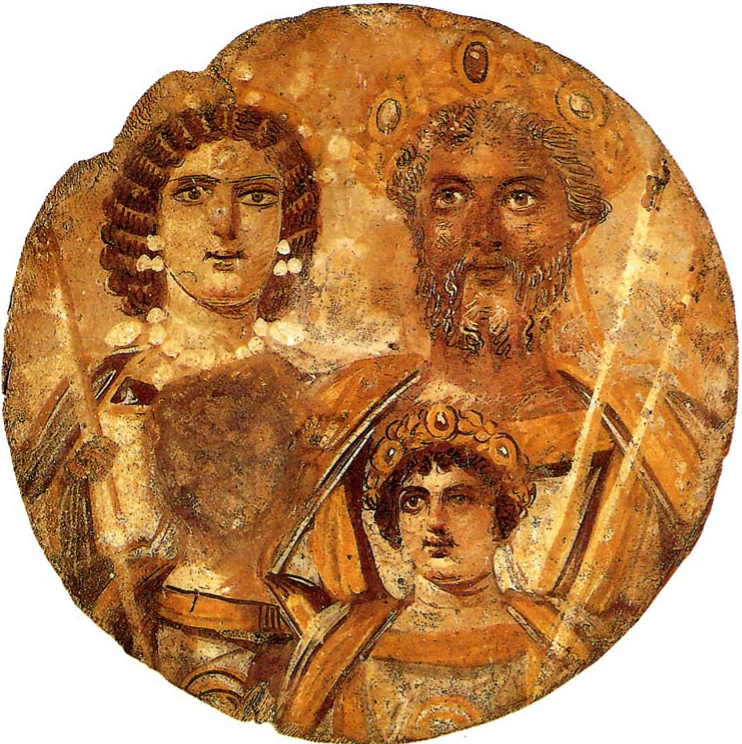
Portrait of the Severan family with Geta’s face erased.

Cassius Dio began writing his history during the reign of Septimius Severus. The fact that he wrote a book about the dreams and omens of Severus makes scholars think he had a great deal of personal interaction with the Emperor. After receiving praise from the Emperor and the public, he undertook the larger Roman History.

With Septimius Severus’ accession to the imperial throne, Cassius Dio’s tone in the history appears hopeful, almost as if he was seeing a new, golden era for Rome. It was clear that Dio admired Severus…

The following is the manner of life that Severus followed in time of peace. He was sure to be doing something before dawn, and afterwards he would take a walk, telling and hearing of the interests of the empire. Then he would hold court, unless there were some great festival. Moreover, he used to do this most excellently; for he allowed the litigants plenty of time and he gave us, his advisers, full liberty to speak. He used to hear cases until noon; then he would ride, so far as his strength permitted, and afterward take some kind of gymnastic exercise and a bath. He then ate a plenti­ful luncheon, either by himself or with his sons. Next, he generally took a nap. Then he rose, attended to his remaining duties, and afterwards, when walking about, engaged in discussion in both Greek and Latin. Then, toward evening, he would bathe again and dine with his associates; for he very rarely invited any guest to dinner, and only on days when it was quite unavoidable did he arrange expensive banquets. He lived sixty-five years, nine months, and twenty-five days, for he was born on the eleventh of April. Of this period he had ruled for seventeen years, eight months, and three days. In fine, he showed himself so active that even when expiring he gasped: “Come, give it here, if we have anything to do.”

(Cassius Dio; Roman History, Book LXXVII)

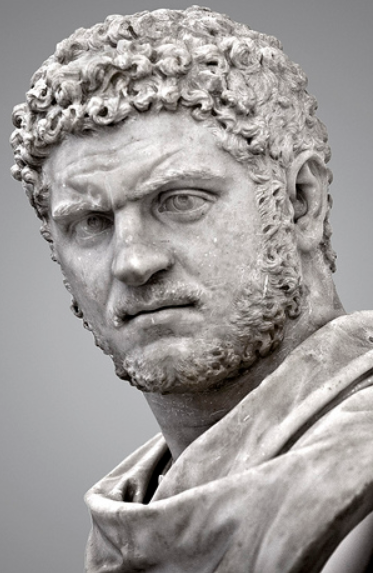
Emperor Caracalla

When one considers the rulers whom Cassius Dio lived and worked under – Commodus, Severus, Caracalla, Macrinus, Elagabalus, and Alexander Severus – you would not be wrong to assume he was quite politically astute, and that he was a survivor. Despite the golden and hopeful period of Severus’ reign, it was a time of terror for many. Here, Dio describes the fear they felt at Commodus’ reign, when the Emperor made them watch him as a gladiator:

This fear was shared by all, by us senators as well as by the rest. And here is another thing that he did to us senators which gave us every reason to look for our death. Having killed an ostrich and cut off his head, he came up to where we were sitting, holding the head in his left hand and in his right hand raising aloft his bloody sword; and though he spoke not a word, yet he wagged his head with a grin, indicating that he would treat us in the same way. And many would indeed have perished by the sword on the spot, for laughing at him (for it was laughter rather than indignation that overcame us), if I had not chewed some laurel leaves, which I got from my garland, myself, and persuaded the others who were sitting near me to do the same, so that in the steady movement of our armies we might conceal the fact that we were laughing.

(Cassius Dio; Roman History, Book LXXIII)

Later, after the murder of Caracalla by Macrinus and the Praetorians, Dio carried on surviving and was made curator ad corrigendum statum civitatum of Pergamun and Smyrna by Macrinus, a role which he carried on in under the insane Elagabalus. When Alexander Severus came to the throne, Dio was made Proconsul of Africa and then Governor of Dalmatia and Upper Pannonia.

Unfortunately, the final book of Dio’s Roman History is fragmented. Little is said of the reign of the young Alexander Severus (he was just fourteen when his grandmother, Julia Maesa, and his mother, Julia Mamaea, put him on the throne). What we know comes from the sixth book of Herodian’s History of the Roman Empire from the death of Marcus Aurelius in A.D. 180 to A.D. 238. At the end of his Roman History, Dio appears rushed, even stating that:

Thus far I have described events with as great accuracy as I could in every case, but for subsequent events I have not found it possible to give an accurate account, for the reason that I did not spend much time in Rome. For, after going from Asia into Bithynia, I fell sick, and from there I hastened to my province of Africa; then, on returning to Italy I was almost immediately sent as governor first to Dalmatia and then to Upper Pannonia, and though after that I returned to Rome and to Campania, I at once set out for home. For these reasons, then, I have not been able to compile the same kind of account of subsequent events as of the earlier ones.

(Cassius Dio; Roman History, Book LXXX)

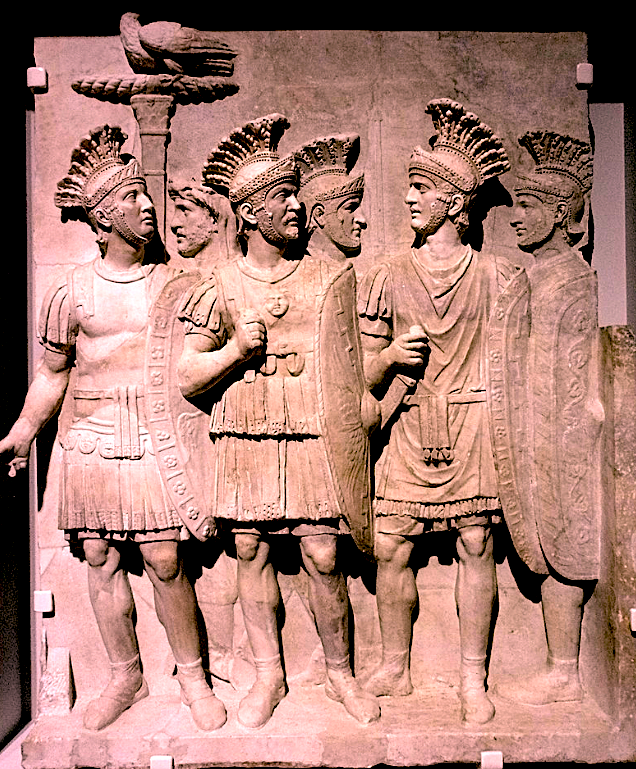
The Praetorian Guard

Though Dio had survived a few emperors whom many would consider to be unstable, or even insane, it appears that the greatest threat he faced was from the dreaded Praetorian Guard. Apparently, after he took disciplinary measures in Pannonia in his role as governor, he became unpopular with the Praetorians, such that he feared for his life.

Emperor Alexander Severus, who seems to have liked Dio, attempted to keep Dio safe by allowing him to live and work away from Rome in Campania.

…I ruled the soldiers in Pannonia with a strong hand; and they demanded my surrender, through fear that someone might compel them to submit to a régime similar to that of the Pannonian troops.

Alexander, however, paid no heed to them, but, on the contrary, honoured me in various ways, especially by appointing me to be consul for the second time, as his colleague, and taking upon himself personally the responsibility of meeting the expenditures of my office. But as the malcontents evinced displeasure at this, he became afraid that they might kill me if they saw me in the insignia of my office, and so he bade me spend the period of my consul­ship in Italy, somewhere outside of Rome. And thus later I came both to Rome and to Campania to visit him, and spent a few days in his company, during which the soldiers saw me without offering to do me any harm;

(Cassius Dio; Roman History, Book LXXX)

Thankfully, Herodian fills in the gaps of Alexander Severus’ reign for us while Dio was distracted with duty, illness, and fear for his life at the hands of the Praetorians.

One can imagine that Dio would have continued to serve Alexander Severus long and faithfully but, as it was, for his safety and because of his illness and aching body, Cassius Dio was permitted to retire to Nicaea, in his native Bithynia, where he is supposed to have died shortly thereafter over the age of seventy.

having asked to be excused because of the ailment of my feet, I set out for home, with the intention of spending all the rest of my life in my native land, as, indeed, the Heavenly Power revealed to me most clearly when I was already in Bithynia. For once in a dream I thought I was commanded by it to write at the close of my work these verses:

“Hector anon did Zeus lead forth out of range of the missiles, 

Out of the dust and the slaying of men and the blood and the uproar.”

(Cassius Dio; Roman History, Book LXXX)

Bust of Alexander Severus, the last Severan Emperor (Wikimedia Commons)

And so ended the Roman History, and the life of Cassius Dio.

Despite the importance of Dio’s Roman History for our knowledge of the Severan period, he has not been without criticism by modern historians. Some point out his use of adornment and personal anecdotes as a flaw when relaying significant events. Though not as salacious as Herodian, he does opt for more dramatic presentation at times. Dio has also been criticized for clouding things with his personal impressions. Sometimes names and exact dates are left out, and some speeches are believed to express Dio’s own views rather than actual events. An example of this is when Agrippa and Maecenas make speeches to Octavian when discussing the establishment of a monarchy in Book LII.

However, apart from his being the main source for the Severan period, Cassius Dio has much to commend him and his history. He pays a great deal of attention to constitutional and administrative matters, showing that he did his due diligence by consulting public records. He used a variety of sources in an attempt to arrive at the truth.

Cassius Dio, though half Greek, writes from a purely Roman viewpoint. And, interestingly, though he was a senator, he appeared to be a true believer in monarchy.

Personally, I have greatly enjoyed reading Dio’s work over the years, as well as including him in the Eagles and Dragons saga. This story would have been very different without his insights, and the personal anecdotes which some historians criticize him for, I actually find to be a boon. The personal, though not always unbiased, touch which Dio brings to the Roman History gives us a personal peek into the private lives of the Severans in a way that other histories do not.

For me, Cassius Dio has been a knowledgeable, accessible, and entertaining travel companion through the Severan age.

Thank you for reading.

We hope you’ve enjoyed this first post in The World of The Hearts of Heroes blog series. Stayed tuned for Part II in which we will look at the Roman-British civitas of Viroconium Cornoviorum.

If you are interested in reading the full, surviving text of Cassius Dio’s Roman History, you can do so for free by CLICKING HERE.

To read the text of Herodian, the other source for the period, click HERE.

The Hearts of Heroes: A Novel of the Roman Empire is available ebook, paperback and deluxe hardcover editions from all major online retailers, independent bookstores, brick and mortar chains, and your local public library.

CLICK HERE to buy a copy and get ISBN#s for the edition of your choice.

If you are new to the Eagles and Dragons historical fantasy series, you can start your epic adventure with the award-winning, #1 bestselling prequel, A Dragon among the Eagles.

Facebooktwitterpinterest

News Release – Victory for Eagles and Dragons!

FOR IMMEDIATE RELEASE

Adam Alexander Haviaras receives national recognition through the NYC BIG BOOK AWARD®!

Stratford, Ontario — The NYC Big Book Award recognized A Dragon among the Eagles: A Novel of the Roman Empire as the WINNER in the category of ‘Historical Fiction’.

The competition is judged by experts from different aspects of the book industry, including publishers, writers, editors, designers, booksellers, librarians and professional copywriters. Winners and distinguished favourites are based on overall excellence.

A Dragon among the Eagles: A Novel of the Roman Empire

At the peak of Rome’s might a dragon is born among eagles, an heir to a line both blessed and cursed by the Gods for ages.

In A.D. 197, Emperor Septimius Severus led one of the largest invasion forces in Rome’s history against the Parthian Empire.

Among the men of thirty-three legions is Lucius Metellus Anguis, a young man from an ancient Equestrian family. Against the wishes of his conservative father, Lucius is determined to pursue a career in the military and resurrect the glory of his family name on the battlefield rather than the marble of the Senate.

However, as in all conflicts, Lucius’ ideals and his faith are challenged as he witnesses the worst in humanity.

As the imperial legions fight their way through Mesopotamia to the Parthian capital of Ctesiphon, Lucius discovers the inner strength that may well ensure that this young dragon rises from the ranks of Rome’s eagles.

Can a man survive the trials of war unscathed? Do the Gods indeed favour the bold?

March to war with Rome’s legions and find out!

NYC Big Book Award received book submissions worldwide. Journalists, well established authors, small and large press, and first time indie authors participated in record numbers.  Entries this year were received from the United States as well as countries such as Australia, Canada, China, Dubai, France, Germany, Italy, Portugal, Scotland, Singapore, Sweden, Switzerland, and the United Kingdom. Cities represented among the entries were Chicago, Hamburg, Los Angeles, Melbourne, New York, Quebec, Rome, San Francisco, Seattle, Singapore, Stratford, and Victoria.

Publishers included Berrett-Koehler; Brown Books Kids; Central Avenue / Simon & Schuster; Eagles and Dragons Publishing; Forbes Books; Muse Literary; New Harbinger Publications; New York University Press; Oxford University Press; Pegasus Books; She Writes Press; University of Massachusetts Press to name a few.

“With so many quality publishers and authors from around the world participating this year, I’m eager to share these books with a global readership,” said awards sponsor Gabby Olczak.

To view the list of NYC Big Book winners and distinguished favourites, please visit: https://www.nycbigbookaward.com/

Congratulations to all the 2025 award winners and distinguished favourites!

###

END

To learn more about this book, purchase a copy, and watch the epic series trailer, CLICK HERE. 

*Available in hardcover, paperback, and e-book editions.

Facebooktwitterpinterest

The World of An Altar of Indignities – Part XI – Terence: From Slavery to the Roman Stage

Greetings Readers and History-Lovers!

Welcome to the final post in The World of An Altar of Indignities, the blog series in which we’ve explored some of the research that went into our latest dramatic and romantic comedy set in the Roman Empire.

If you missed Part X on the Odeon of Herodes Atticus, you can read that by CLICKING HERE.

In Part XI, we’re going to take a brief look at the life and work of the ancient playwright who is central to the story of An Altar of Indignities: Terence.

We hope you enjoy…

Terence, 9th-century illustration, possibly copied from 3rd-century original

Whatever fortune brings, we will patiently bear.

– Terence

The Etrurian Players series is about the life, loves, struggles, and theatrical misadventures of a troupe of players in the Roman Empire in the early 3rd century C.E. Every book in the series revolves around the production of a particular Roman play, usually at the Gods’ command.

In the first book in the series, the multi award-winning Sincerity is a Goddess, The Etrurian Players put on a production of Plautus’ Menaechmi. Plautus was, of course, one of the great comedic playwrights of Ancient Rome, and his plays were raucous and comical, using wordplay and slapstick comedy. He really was the playwright of the Roman people. You can read our article about Plautus HERE.

For An Altar of Indignities, the choice of playwright was clear. It had to be Terence, certainly, but there were a few questions that needed answering before embarking on this story’s escapade… Which of Terence’s plays would The Etrurian Players perform? How did Terence’s life and personality differ from other playwrights, and how would that affect the story? Was the cast up to the challenge? Was I?

In the end (but really, it’s a beginning!), I chose to tackle what some believe to be Terence’s most difficult play: The Heautontimorumenos , ‘The Self-Tormentor’.

The research into this play, and the personage of Terence, has been an adventure in and of itself. What little is known of Terence hints at a short and difficult life filled with both tragedy and a degree of adulation. But, like most writers, it is the work that often speaks for the person, and in reading and re-reading Heautontimorumenos several times over, attempting to plumb the complex depths of the work’s meaning, I came to see that Terence truly was – is – one of history’s greatest, most sympathetic and insightful authors.

Engraving of Terence, though he did not live to be so old…

Obsequiousness begets friends; sincerity, dislike.

– Terence

Who was Publius Terentius Afer (c. 185 – 159 B.C.E.)?

Let’s take a brief look at the man and his origins.

According to Suetonius in his Life of Terence, Terentius was born in Carthage in North Africa between the end of the Second Punic War and the start of the Third Punic War. Generally, his birth is thought to be around 185 B.C.E, but 195 B.C.E is also a possibility. 

We do not know who his parents were, but we do know that he was born into slavery, the ‘property’ of a Roman senator by the name of Terentius Lucanus who was kind to Terence and gave the young man an education and his freedom.

A page from a manuscript of Terence, written about 825 AD

Terence was apparently a handsome young man who proved to be quite astute and brilliant. After being given his freedom and education, he made his way to Rome where he ended up moving in important and influential literary circles and was accepted into the family of the Roman consul, Lucius Aemilius Paulus, the general who had conquered Macedonia.

The story goes that at a dinner party in Rome, Terence was asked to read his own work to the famous playwright, Caecilius Statius, who was so impressed that he invited the young man to join him for dinner. Suetonius relays the events of that evening:

He wrote six comedies, and when he offered the first of these, the “Andria,” to the aediles, they bade him first read it to Caecilius. Having come to the poet’s house when he was dining, and being meanly clad, Terence is said to have read the beginning of his play sitting on a bench near the great man’s couch. But after a few lines he was invited to take his place at table, and after dining with Caecilius, he ran through the rest to his host’s great admiration.

(Suetonius – The Life of Terence)

Sometime after this entrance onto the Roman literary scene, Terence became a part of what was known as the ‘Scipionic Circle’, an informal group of Hellenophile intellectuals, poets, philosophers, and politicians who gathered around Scipio Aemilianus (185–129 B.C.E), the adoptive grandson of Scipio Africanus. This circle was deeply influenced by Greek culture, particularly Stoic philosophy, and played a key role in the Roman reception of Hellenistic thought and literature.

Artist impression of the ‘Scipionic Circle’

It is with human life as with a game of dice: if the throw you wish for happens not to come up, that which does come up by chance, you must correct by art.

– Terence

In his relatively short life, Terence wrote six comedic plays which were produced between 166 and 160 B.C.E. All of them survive.

He wrote what were known as fabulae palliatae, comedies based on Greek plays, mostly by Menander, and perhaps Apollodorus. You can read more about Roman drama by CLICKING HERE.

Terence’s six plays are as follows:

Andria (The Girl from Andros) – first performed at the Ludi Megalenses (the Festival of Cybele at Rome) in 166 B.C.E.

Hecyra (The Mother-in-Law) – first performed at the Ludi Megalenses in 165 B.C.E.

Heautontimorumenos (also Heauton-Timorumenos, The Self-Tormentor) – first performed at the Ludi Megalenses in 163 B.C.E.

Eunuchus (The Eunuch) – first performed at the Ludi Megalenses in 161 B.C.E.

Phormio (about a clever slave) – first performed at the Ludi Romani (the Roman Games) in 161 B.C.E.

and

Adelphoe (The Brothers) – first performed at the funeral games of Aemilius Paulus in 160 B.C.E.

All of the plays were produced by one Lucius Ambivius Turpio, an actor, stage manager, patron, promoter and entrepreneur who had also produced Statius’ plays. He also performed the lead in most of Terence’s plays. The music for the plays was composed by a musician, or tibicen, named Flaccus.

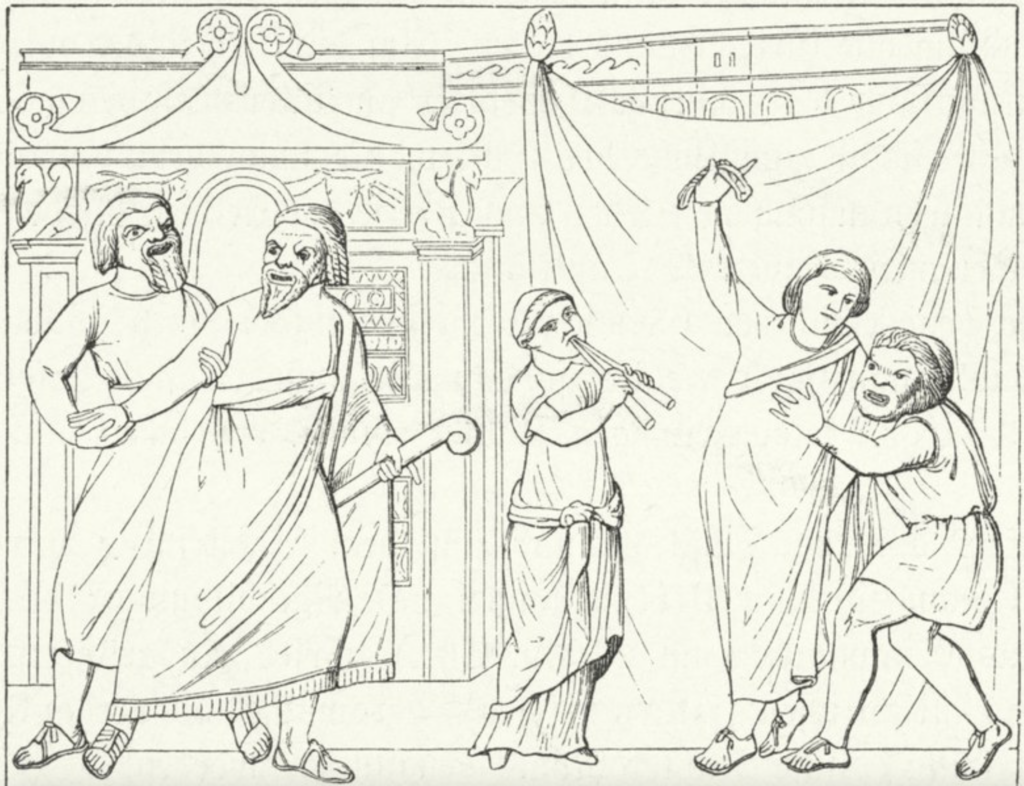
Scene from the Roman Playwright Terence’s Play Andria (engraving) by German School.

Do not do what is done.

– Terence

Terence’s work was celebrated for its refined language, realistic characterizations, and subtle humour which were a marked departure from the more boisterous style of earlier Roman comedy, including his predecessor, Plautus. His plays adapted elements of Greek New Comedy while emphasizing dialogue that was closer to natural speech. There was less musical accompaniment than in the average Roman comedy at the time, and his meters were much simpler than those used by Plautus, something that enhanced that natural feel of the dialogue. He had an uncanny ability to keep the audience’s interest.

He also used the prologus of his plays in a way that was different to others before him. Where playwrights such as Plautus used the prologus to explain the plot of the play to come, Terence used it to address criticisms of his own work such that his prologues were rhetorical in nature.

But Terence is perhaps best known for his impressive understanding of the human condition and ability to illustrate, through his dialogue and storytelling, the complexities of human behaviour. His work is truly heartfelt.

This wish to understand the human condition is perhaps best illustrated in what might be considered Terence’s most famous quote from Heautontimorumenos:

Homo sum: humani nil a me alienum puto.

I am human: nothing human is alien to me.

– Terence

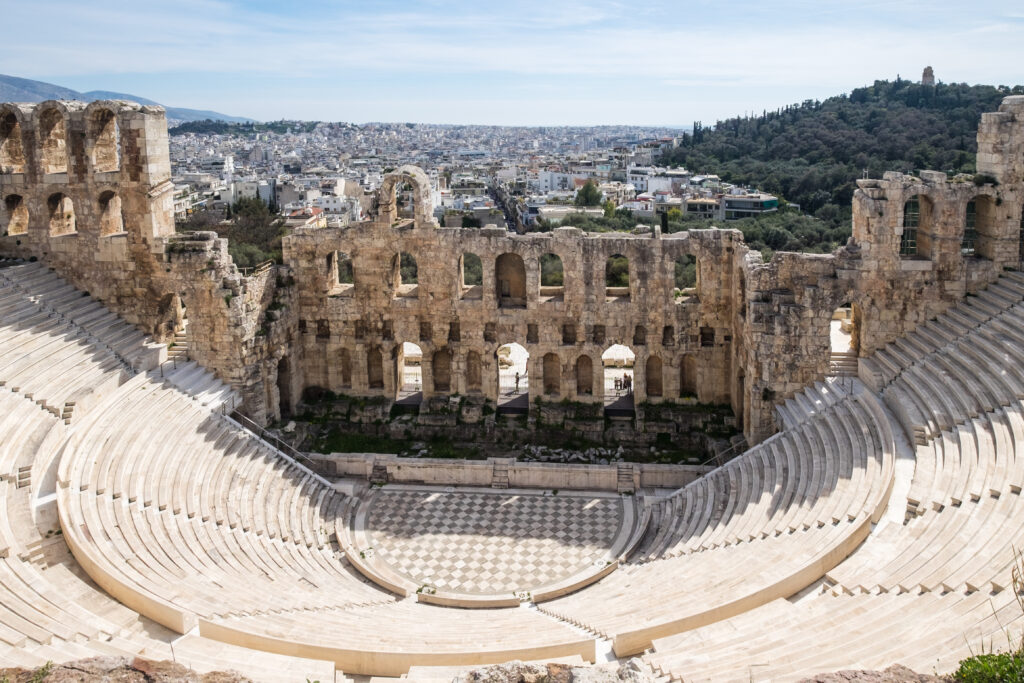
The Odeon of Herodes Atticus in Athens where the drama plays out in An Altar of Indignities

Using Heautontimorumenos (The Self-Tormentor) as the play for An Altar of Indignities was quite a deliberate choice.

As the translator, A.J. Brothers, said,  it is “the most neglected of the dramatist’s six comedies… Yet the Self-Tormentor, for all its occasional imperfections, in many ways shows Terence at his best; the plot is ingenious, complex, fast-moving, and extremely skilfully constructed, its characters are excellently drawn, and the whole is full of delightful dramatic irony. It deserves to be better known.”

In truth, the play is so complex, so nuanced, that it required several readings to fully grasp all that Terence was trying to say. Perhaps in tackling this play, I discovered that there was something of a ‘self-tormentor’ in myself!

Nevertheless, I cannot imagine having chosen a different play to be featured in this novel for, in reading through it and developing an understanding of it, I came to admire the brilliance of Terence.

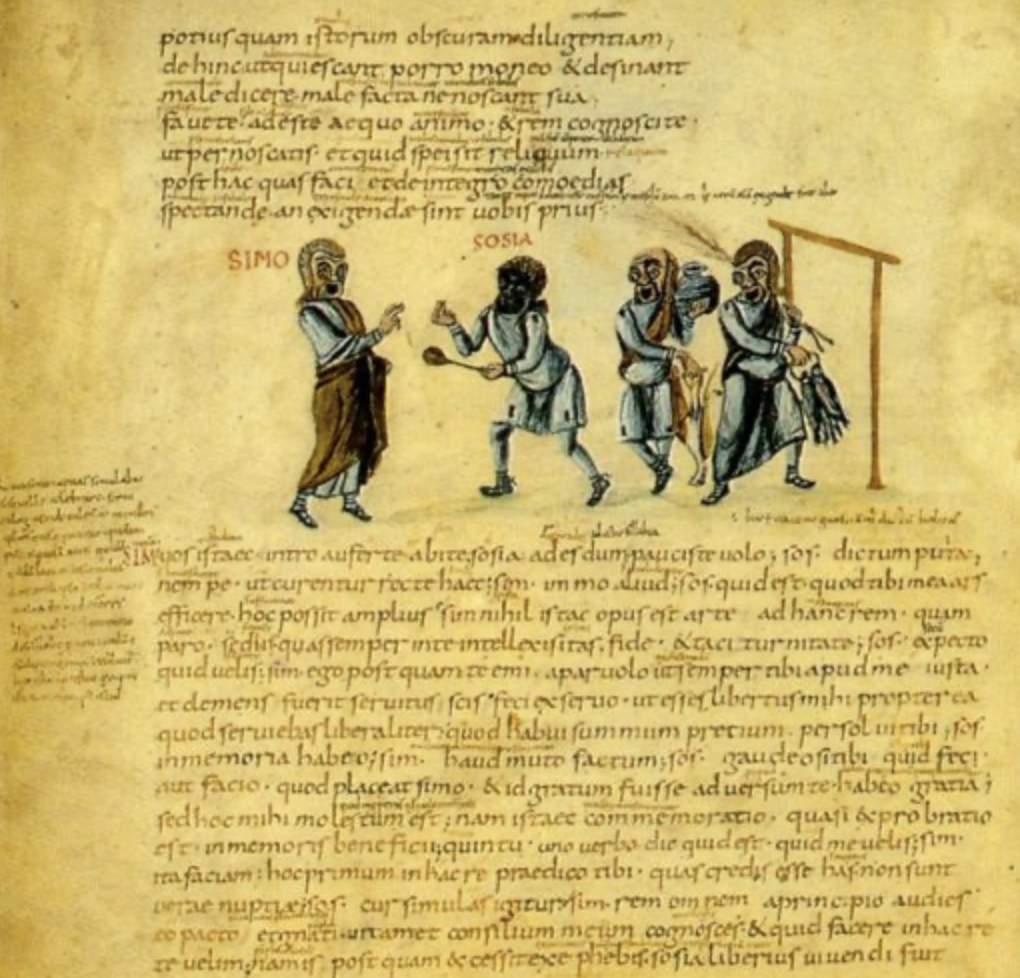
An image from a manuscript of Terence’s Heautontimorumenos depicting the characters Menedemus and Chremes

Heautontimorumenos, and Terence’s other plays, could be said to be ‘smart-funny’ as opposed to the slapstick humour of Plautus’ work. This is nicely illustrated in a review of the play by Sir Richard Steele, the 17th-18th century Anglo-Irish writer, in the Spectator (No. 502) when he aptly described the play:

“The Play was The Self-Tormentor. It is from the beginning to the end a perfect picture of human life, but I did not observe in the whole one passage that could raise a laugh. How well-disposed must that people be, who could be entertained with satisfaction by so sober and polite mirth! In the first Scene of the Comedy, when one of the old men accuses the other of impertinence for interposing in his affairs, he answers, ‘I am a man, and can not help feeling any sorrow that can arrive at man.’ It is said this sentence was received with a universal applause. There can not be a greater argument of the general good understanding of a people, than their sudden consent to give their approbation of a sentiment which has no emotion in it. If it were spoken with ever so great skill in the actor, the manner of uttering that sentence could have nothing in it which could strike any but people of the greatest humanity—nay, people elegant and skillful in observation upon it. It is possible that he may have laid his hand on his heart, and with a winning insinuation in his countenance, expressed to his neighbour that he was a man who made his case his own; yet I will engage, a player in Covent Garden might hit such an attitude a thousand times before he would have been regarded.”

Whereas Plautus’ plays had great appeal, especially among the Roman people, Terence’s plays seem to have appealed more to the upper educated classes. In fact, during the imperial period, long after his death, Terence was considered second only to Virgil as the most widely read Latin poet. His plays were read in Latin canonical schools on into the Middle Ages and beyond, and Terence himself was often quoted as an authority on human nature, including by St. Augustine who, though not always full of praise for the pagan playwright, quotes Terence thirty-eight times in his own works.

A gathering in Rome

As many men, so as many opinions.

– Terence

As praising as many were Terence and his work, he also had his detractors, and this is one reason for his use of the prologus in defending his work. Suetonius highlights some of the common gossip that swirled around Terence:

It is common gossip that Scipio and Laelius aided Terence in his writings, and he himself lent colour to this by never attempting to refute it, except in a half-hearted way, as in the prologue to the “Adelphoe”:

“For as to what those malicious critics say, that men of rank aid your poet and constantly write in concert with him; what they regard as a grievous slander, he considers the highest praise, to please those who please you and all the people, whose timely help everyone has used without shame in war, in leisure, in business.”

Now he seems to have made but a lame defence, because he knew that the report did not displease Laelius and Scipio; and it gained ground in spite of all and came down even to later times. Gaius Memmius in a speech in his own defence says: “Publius Africanus, who borrowed a mask from Terence, and put upon the stage under his name what he had written himself for his own amusement at home.”

– Suetonius (The Life of Terence)

Julius Caesar too criticized Terence, showing himself to not be the greatest of fans:

Thou too, even thou, art ranked among the highest, thou half-Menander, and justly, thou lover of language undefiled. But would that thy graceful verses had force as well, so that thy comic power might have equal honour with that of the Greeks, and thou mightest not be scorned in this regard and neglected. It hurts and pains me, my Terence, that thou lackest this one quality.

– Julius Caesar

Print from a manuscript of Terence’s work

Despite the few critics of his work, Terence’s plays have stood the test of time, being used to teach Latin in schools and influencing great playwrights. Even William Shakespeare is said to have been influenced by Terence’s comedy and scenic structure in plays such as The Taming of the Shrew, Love’s Labour’s Lost, Othello, and The Merry Wives of Windsor.

Despite the success in Rome of his six initial plays, Terence, for some reason, felt that he had to leave Rome and Italy, and appears to have made his way to Greece, the birthplace of drama:

After publishing these comedies before he had passed his twenty-fifth year, either to escape from the gossip about publishing the work of others as his own, or else to become versed in Greek manners and customs, which he felt that he had not been wholly success­ful in depicting in his plays, he left Rome and never returned.

– Suetonius (The Life of Terence)

Sadly, Terence seems not to have survived for long, leaving this world at far too young an age at twenty-five years (or thirty-five, depending on the birth date). It is supposed that either he died in a shipwreck on the journey to or from Greece, or that he died of illness when in Greece while seeking to increase his knowledge and skill in the home of the playwrights he had so admired.

Suetonius writes that he was to return “from Greece with one hundred and eight plays adapted from Menander”, but due to his death, or the wrecking of the ship that contained his new works, all of them were lost. And so, the six, brilliant plays of Terence’s that have come down to us today are all that we have of this wonderful, young Roman poet’s work.

Artist impression of Terence writing in Athens along the banks of the Ilissos river

It does indeed seem tragic that a poet and artist who was so lauded after his death, appeared to struggle so much in life, despite some brief, shining moments.

Naught availed him Scipio, naught Laelius, naught Furius, the three wealthiest nobles of that time. Their aid did not even give him a rented house, to provide at least a place where his slave might announce his master’s death.

– Suetonius (The Life of Terence)

In An Altar of Indignities, it is this seemingly unfinished and, perhaps, glorious but ultimately unfulfilled life of the artist that is explored, and this is in large part due to Terence and his masterpiece, Heautontimorumenos.

It has been an adventure and a privilege to write about Terence, and explore his life and works. I think it fitting then to end with a quote by one of Terence’s most renowned admirers from the world of Ancient Rome:

Thou, Terence, who alone dost reclothe Menander in choice speech, and rendering him into the Latin tongue, dost present him with thy quiet utterance on our public stage, speaking with a certain graciousness and with sweetness in every word.

– Cicero

Thank you for reading.

Well, that is the end of The World of An Altar of Indignities. The curtain has fallen.

If you would like to read the plays of Terence for yourself, you can download a complete, FREE version for any device from Project Gutenberg by CLICKING HERE. To read Terence’s masterpiece, Heautontimorumenos (The Self-Tormentor), you can do so on-line HERE.

We hope you have enjoyed this blog series, and that you enjoy An Altar of Indignities if you read it. If you have read it, please leave a review on the Eagles and Dragons Publishing website or on the store web page where you purchased the book. Reviews are a wonderful way for new readers to find this dramatic and romantic comedy of ancient Rome and Athens!

If you missed any of the posts in this eleven-part blog series, you can read all of them on one web page by CLICKING HERE.

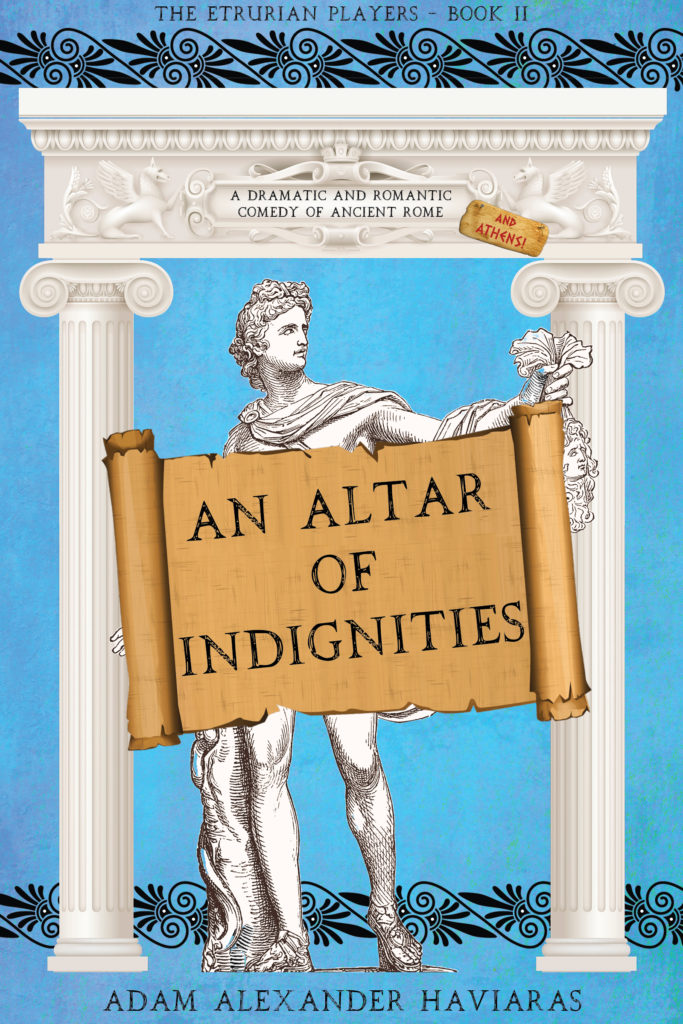
An Altar of Indignities: A Dramatic and Romantic Comedy of Ancient Rome and Athens is available in ebook, paperback and deluxe hardcover editions from all major online retailers, independent bookstores, brick and mortar chains, and your local public library.

CLICK HERE to buy a copy and get the ISBN# for the edition of your choice.

Brace yourselves! The Etrurian Players are back!

Facebooktwitterpinterest